
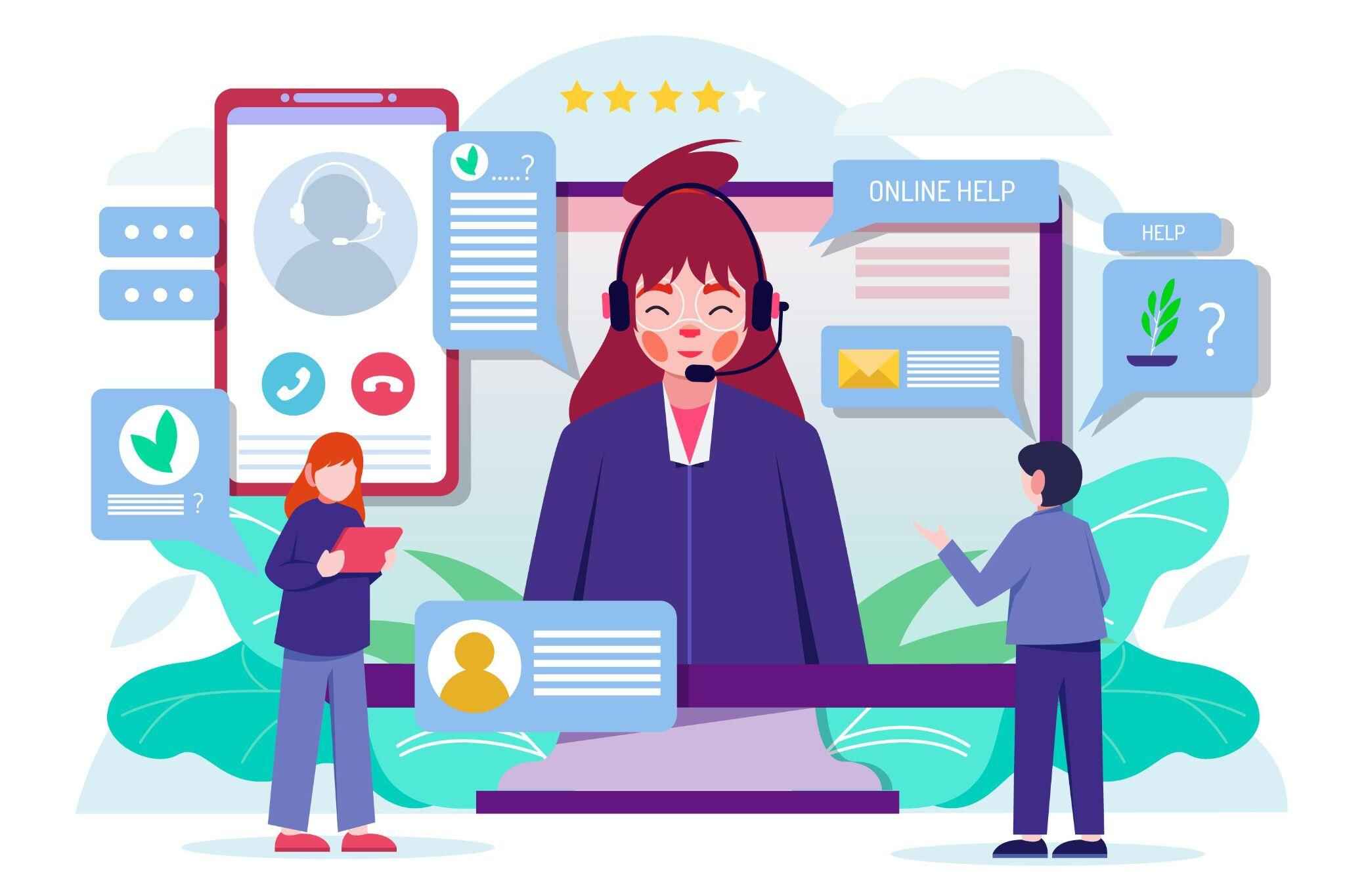
Customer experience, often called CX, has become one of the most important parts of doing business today. It is how customers feel when they interact with your brand, whether that’s through a phone call, a website chat, or an in-person visit. A positive experience can turn a one-time buyer into a loyal supporter.
Strong CX is especially important for B2B sales and support, where long-term relationships and trust are essential. Businesses that invest in organized communication and efficient support systems are more likely to retain clients, improve satisfaction, and grow faster than those that do not.
Why Customer Experience Matters
Every customer interaction counts. From the first inquiry to post-purchase follow-up, each touchpoint shapes how people perceive your brand. When companies manage these experiences well, they build loyalty and long-term growth.
Good customer experience also reduces churn. Clients who feel understood and valued are less likely to switch to competitors. They also become brand advocates, sharing their positive experiences and helping you attract more customers organically.
Businesses That Benefit Most from CX and Contact Centers
Nearly every industry can benefit from CX and communication solutions, but some depend on them more than others. Retail, healthcare, and technology companies rely heavily on customer interaction. However, the real power of structured CX systems shines in business-to-business environments.
Companies involved in B2B sales often manage complex accounts and long sales cycles. A well-designed CX strategy ensures that every communication, from quotes to service updates, is handled smoothly and professionally. It also gives teams better visibility into client needs and expectations, which leads to stronger business relationships.
The Role of Contact Centers in Modern Business
A contact center acts as the central hub for managing customer communication. It combines calls, emails, live chat, and social messages into one system. This integration allows support agents to see all interactions in one place, making it easier to deliver consistent service.
Contact centers are not just about solving problems. They are also a key part of sales, onboarding, and retention strategies. By tracking customer feedback and service history, companies can make informed decisions about product improvements and service updates.
Why Call Centers Still Matter
While contact centers manage multiple channels, traditional call center support still plays a crucial role. Many customers prefer speaking to a real person when dealing with complex issues or urgent needs.
Call centers allow businesses to maintain a human connection. Even as digital options grow, voice-based communication helps customers feel heard and valued. For companies that handle sensitive or technical matters, this level of personal support builds trust.
CX for Every Stage of Growth
Whether your company is a startup or a large enterprise, CX and communication systems grow with you. Small businesses can use basic customer management tools to organize interactions, while larger companies may invest in full-scale automation and analytics.
As technology evolves, cloud-based CX solutions make it easier to manage remote teams and track performance in real time. This flexibility helps businesses deliver consistent service regardless of size or location.
Key Takeaways
- Customer experience builds loyalty and trust in every industry.
- B2B sales benefit from clear, professional, and consistent communication.
- A contact center connects all customer channels for smooth service.
- A call center maintains personal, voice-based support when it matters most.
- Strong CX systems support businesses of all sizes as they grow.
Leave a Reply