Modern restaurants are having to adapt to the ever-changing demands of customers and the advancements being made with technology that influence the customer experience.
The way modern restaurants are managed is changing in 2026, from more intentional data practices to smarter staffing tools that help to streamline workflows.
For business owners, it’s essential to embrace both technology and to have good judgment in order to keep your operations running smoothly. This guide will explain how to do all of the above and more when managing a restaurant in 2026 and beyond.
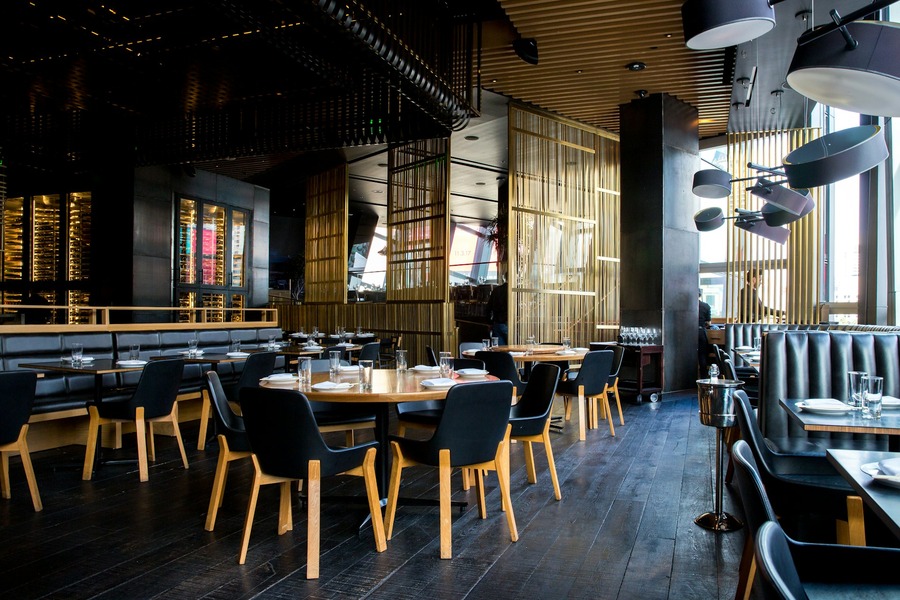
What does hospitality workforce management look like in 2026?
Restaurants nowadays are very reliant on technology to improve all aspects of hospitality workforce management. From improving scheduling to helping train and retain employees. All of which is encouraged in order to make the workforce a more adaptable and engaged one for the benefit of the business.
Advanced staff scheduling technologies
With the use of workforce management systems, up to 75% less time is spent on staff scheduling as a result. Modern scheduling tools use data to help optimize shifts, reduce conflicts, and ensure compliance is met at all times.
The use of AI-powered tools has become more popular when helping to optimize workflows and improve labor efficiency. That’s why you’re likely to see a lot more of AI and automation being used in the tools you use for the business.
With employees being able to self-schedule, it not only helps to boost fairness amongst employees but it also gives them more autonomy over their work schedule.
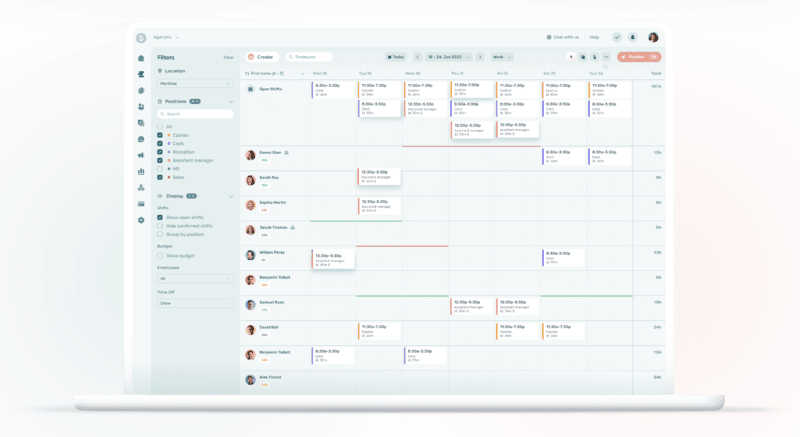
Agendrix’s scheduling software is a great way to create work schedules easily but to also give employees opportunities to pick up shifts and be notified of important changes. Real-time labor cost tracking also helps managers to easily adjust staffing without having to go through the more long-winded process of chasing staff members.
Agendrix is a solid option here, offering straightforward scheduling, built-in communication, and tools that help managers stay on top of labor costs without extra admin.
When you have automated tools that already incorporate compliance rules and regulations, you help to reduce the legal risk present.
Reducing employee turnover through technology
Predictive analytics and the use of digital recognition tools may help managers to keep teams motivated and reduce the churn of turnover that comes from employees who get fed up and leave for greener pastures
With analytics, managers identify burnout risks early before they occur, and they also have the ability to offer personalized growth paths to encourage long-term retention of staff members.
Recognition platforms are another way of helping boost daily engagement and to make employees feel motivated in the hospitality environment, especially. Technology is also helpful for automated skill-gap analysis so that you can identify the targeted training required.
Hybrid workforce management
Restaurants are able to balance human workers with emerging automation that’s available with workforce management systems. This keeps teams flexible and ready for what’s to come in the future.
The introduction of robotic assistants is helpful as a hybrid workforce model without having to replace human roles. These robotics assistants focus on automating repetitive tasks, whether that’s ordering stock or confirming table bookings.
For restaurant owners or managers who manage multi-location operations, remote management helps to oversee all these locations under one central hub.
With cross-training, you prepare your teams for tech-heavy environments, which is likely to happen due to the increased use of VR and other advanced technology. VR training is also helpful for accelerating the onboarding of staff.
Employee engagement strategies
To build a more connected and motivated workforce, using digital tools along with thoughtful incentives goes a long way.
With that being said, gamification helps to drive healthy competition, especially when there are rewards available. Mental health tracking technology helps to support the well-being of your staff, especially during periods where the hospitality industry gets particularly hectic.
Flexible compensation models help to improve fairness, ensuring everyone gets their well-deserved, fair share of rewards.
Creating a digital community within your workforce will only help to strengthen the culture of the workplace.
Ethical labor management
Leaders are able to utilize technology responsibly in order to support fairness, provide transparency, and more importantly, inclusivity for all staff members regardless of rank.
Therefore, it’s helpful to provide a transparent pay structure in order to build trust and an understanding of what employees will find themselves working towards. Fairness in scheduling algorithms is important, too, so that no one is being given preferential treatment.
Balancing work and life is a responsibility that employers should be encouraging so that stress levels are at their lowest possible. Diversity tracking informs management of better culture practices to keep everyone happy and protected.
Customer data management and privacy
Restaurants are able to personalize their services without crossing privacy boundaries by creating policies that are clear and systems that are secure.
Advanced customer relationship management
With modern CRM tools, management is able to create a tailored experience while respecting customer preferences. With any information customers willingly hand over, restaurant owners are able to market their latest offers and seasonal deals to encourage customers to return to the venue.
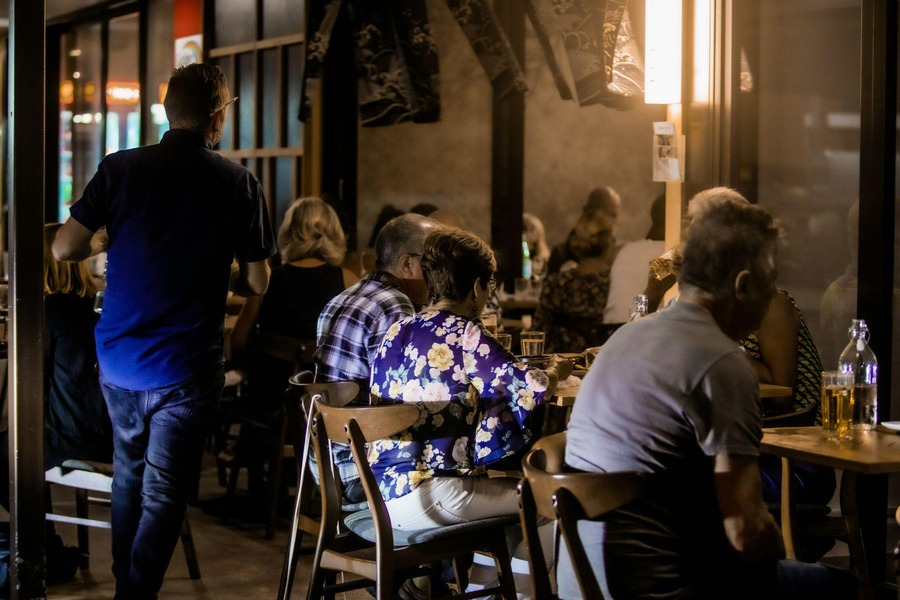
Omnichannel profiles help to improve service consistency, while sentiment analysis helps to gather accurate feedback from customers.
Another helpful type of technology comes from predictive service recovery, which prevents complaints from occurring.
Data security and compliance
Security standards are important to follow for restaurants, especially when they’re managing customer data.
There are a number of technologies that help ensure data security and compliance. These include:
- Quantum-resistant encryption – A new type of encryption designed to protect data from attacks by future quantum computers.
- Biometrics – Secure sensitive data by providing unique, hard-to-replicate identifiers tied directly to the individual’s physical or behavioral characteristics.
- Automated compliance – Helps to keep companies compliant with global privacy rules.
- Transparent policies – Build confidence in customers who are trusting of their data.
Restaurants have relied for years on client-side tracking for digital analytics, but this is rapidly being replaced by server-side solutions. The difference between server side vs client side tracking is that server-side tracking gives businesses significantly more control over what data is being collected, how it’s processed, and who it’s shared with.
It also helps to have a clear way to manage consent so the data you’re collecting actually lines up with privacy rules. Usercentrics is a good fit here because it helps restaurants handle consent across their website, apps, and marketing tools in a way that feels straightforward instead of stressful. It keeps the data clean, compliant, and respectful of customer preferences.
Ethical data collection practices
Gathering customer data responsibility is done by using consent-based, minimal, and clearly communicated methods. To encourage data sharing, customers should ideally receive something in exchange for giving over that data, such as a discount on their food bill, for example.
Anonymized analytics help to support operations as they help organizations derive valuable insights and improve their efficiency and decision-making as a result.
Data minimization and regular purging protocols are helpful to control how much data is being utilized and when it’s best to remove the data once it’s no longer necessary to have.
Building customer trust
Showing transparency, verification, and having proactive communication with your customers will help them feel safe sharing information.
Building customer trust is done in a number of ways, including:
- Privacy dashboards to empower customers
- Blockchain-backed data verification
- Certification programs to reinforce credibility
- Crisis response for potential breaches
Cybersecurity in restaurant operations
Within the restaurant industry in particular, there are evolving threats that these venues face. That’s why a proactive defense and recovery plan helps protect business continuity.
Threat prevention and detection
There are a number of ways in which restaurants are able to identify vulnerabilities early. This is done through AI-based anomaly detection to spot potential dangers before they attack.
A few methods worth exploring are penetration testing, which proactively identifies and helps organizations fix security vulnerabilities before malicious attacks take place. In cloud-based environments, especially for businesses that rely on services like Amazon Web Services, specialized assessments such as AWS pen testing further strengthen security by ensuring their digital infrastructure remains resilient and well-protected.
Securing IoT practices also helps to reduce risk by preventing unauthorized access, system disruptions, and data breaches through a combination of strong authentication, network segmentation, and encryption. Staff training is also essential for cybersecurity basics.
Fraud prevention strategies
Reducing financial and loyalty fraud is done with smarter verification tools. Using advanced payment verification and enabling biometrics to add protection to high-value transactions is helpful to protect customers.
With behavioral analytics for detecting suspicious activity, all of these efforts help towards better processes for managing loyalty data.
Creating personalized customer experiences
For restaurants, the customer experience really matters, which is why technology helps to deliver memorable, inclusive and human-centered dining moments.
Next-generation loyalty programs
There are evolving loyalty tools to help create dynamic and engaging experiences. Loyalty programs through methods of gamification and regular reward opportunities will help build that commitment in customers old and new.
Predictive offers are a useful form of personalizing the experience, as well as providing community-building features that make customers feel more involved.
Technology-enhanced dining experiences
Modern restaurants use digital tools to enrich the dining environment and to improve customer comfort. From AR menu tools that make ordering easier to automated dietary accommodation systems, all help smooth the process of ordering food.
Balancing automation and human touch
It’s good to mix high-tech tools with an empathetic, human service so that a memorable experience is created.
Emotional intelligence training is helpful for staff to improve interactions with customers, and data insights help to make these moments between staff and customers more meaningful.
Accessibility and inclusivity
There’s a real importance for accessibility and inclusivity within the hospitality industry so that every guest experiences the same high-quality service.
Universal designs for physical and digital access are helpful, as well as multilingual tech support for diverse customers.
There are also plenty of tools for those who have varying sensory needs, and data in general offers insight for the creation of a culturally sensitive service for every guest.
Why smarter tech and smarter choices matter now
There’s certainly a shift in restaurants using integrated tech, along with better workforce tools and ethical data practices.
These practical steps are all useful for restaurant owners and managers to take better control and ownership over their operations with the help of smart technology.
Leave a Reply