
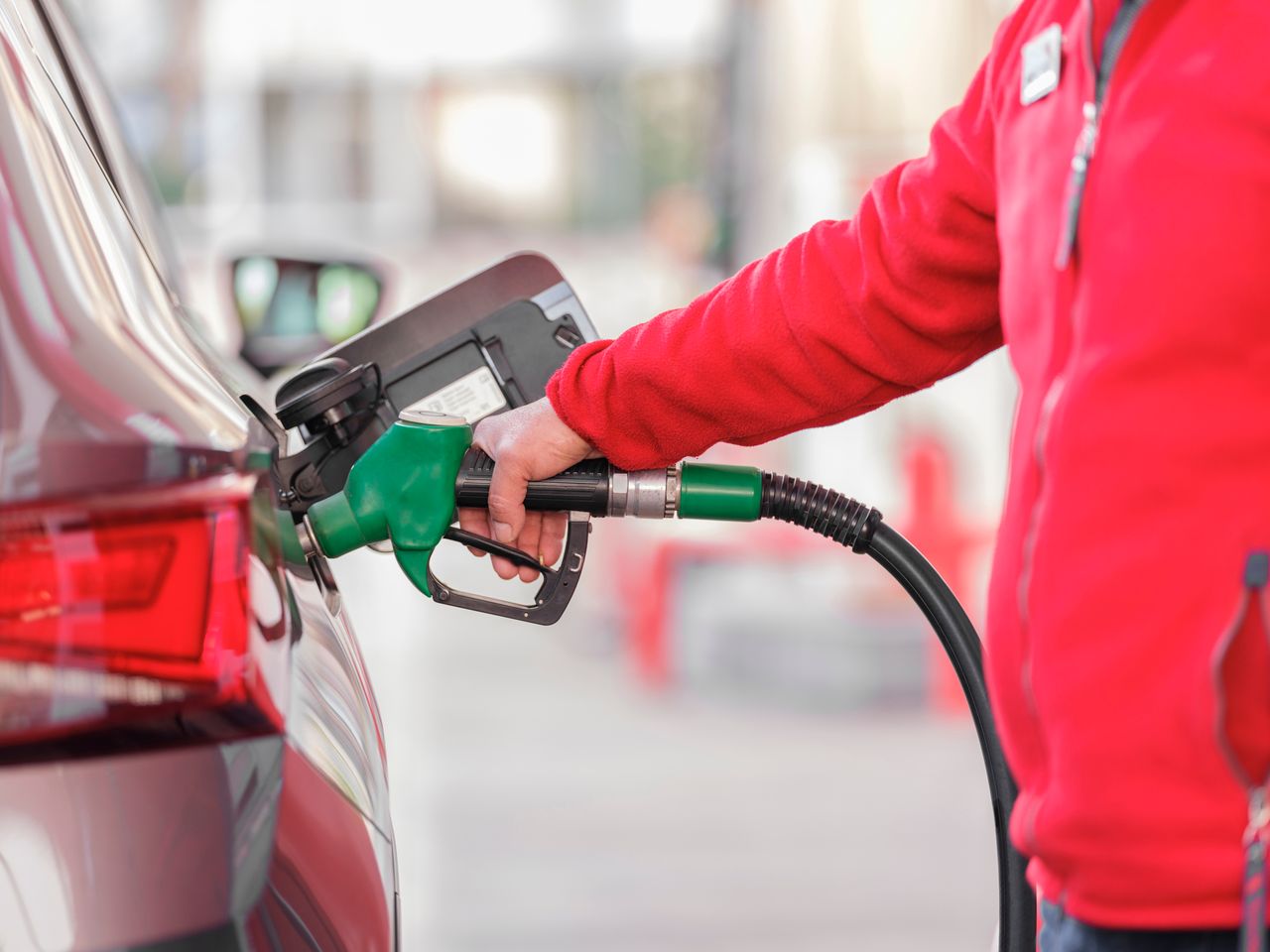
For businesses, fleet operators, and self-employed individuals seeking to streamline fuel management, fuel cards have emerged as an invaluable asset. But there are several service providers with varying features, coverage networks, fees, and reporting systems, which can be overwhelming when you’re trying to compare.
Selecting the right fuel card isn’t just about getting the lowest price for fuel; it’s about finding the right solution for your operation and your budget. By learning what is most important and what’s not, you can dispel the confusion and make the decision-making process much simpler.
Start by Understanding Your Fueling Needs
It is crucial to understand how your vehicles work before comparing fuel card providers. What’s good for one fleet might not be good for another, such as a small business or independent contractor. When researching fuel card providers, many businesses consider the Ampol fuel card due to its established presence within Australia’s fuel network.
Some of the questions to ask include:
- How many cars need gas?
- In which countries do they work?
- How many times do drivers fill up their cars with gas?
- Are any extra costs associated with the vehicle being recorded?
- Will the business be expanding in the future?
Having clear answers helps you identify the right options and avoid paying for needless extras.
Network Coverage Matters
When considering fuel cards, the availability of the network is one of the most crucial elements to consider. While the benefits of a card may be appealing, they’re less sweet if drivers find it difficult to locate service stations that accept them.
It helps to minimise disruption to travel and convenience for drivers if it is broadly accepted. Consider the following when comparing fuel cards:
- Service station availability
- Regional coverage
- National accessibility
- Convenience for drivers
- Availability in high-traffic areas
Well-developed network coverage can play an important role in operational efficiency.
Look Beyond Fuel Discounts
When selecting providers, many businesses tend to first look at fuel savings. Even though discounts can be beneficial, they should not be the only reason to consider their purchase. There may be substantial long-term savings in administrative efficiency, reporting and account management.
Other features to consider are:
- Transaction reporting
- Online account access
- Expense categorization
- Security controls
These features can help streamline administrative tasks and offer greater transparency when tracking vehicle expenses.
Evaluate Fees and Overall Value
To make a decision, it is important to have a full understanding of the cost structure. There could be account fees, transaction fees, replacement card charges, or the costs of other administrative fees on some fuel cards.
When assessing these costs, it is important to understand the features available and therefore the real long-term value. Transparency is essential since there may be hidden costs that diminish any positive ROI on a potentially good fuel card program.
Conclusion
Comparing fuel card options does not have to be complicated. By focusing on practical considerations, organisations can make more informed decisions. Taking the time to compare solutions carefully can lead to improved fuel management, greater administrative efficiency, and better financial control for years to come.
Leave a Reply