
Understanding Automated Freight Measurement
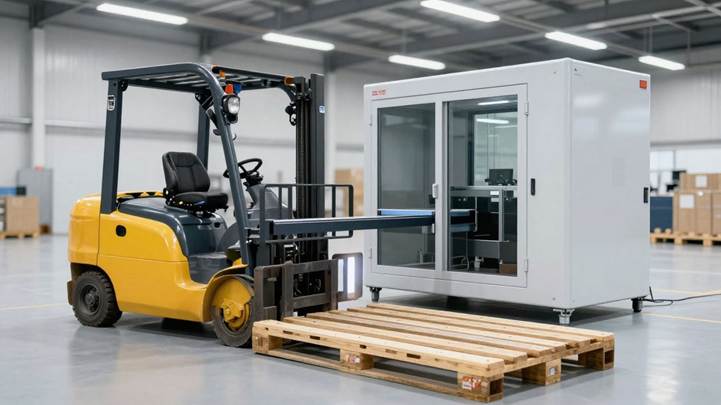
Manual measurement of freight is a thing of the past. Automated freight measurement systems, often called freight dimensioners, use sensors and cameras to get exact size data. This technology captures dimensions quickly and accurately, removing human error. It’s a big step up from old methods.
These systems are key for any modern shipping operation. They provide the precise data needed for everything that follows. Without this accurate input, the rest of the logistics chain suffers. Think of it as the foundation for all smart planning.
Addressing Inefficiencies in Traditional Shipping
Old ways of measuring freight caused a lot of problems. Guesswork led to wasted space in trucks and containers. This meant more trips, higher fuel costs, and a bigger carbon footprint. Also, disputes over shipping costs were common because the data wasn’t reliable.
These inefficiencies added up, eating into profits and slowing down deliveries. It was a constant battle to keep things moving smoothly. The lack of exact data made it hard to plan anything effectively. Automated freight dimensioning directly tackles these issues.
The Impact of Precise Data Capture
Getting exact dimensions changes the game. With precise data from freight dimensioners, logistics managers can plan loads much better. They know exactly how much space each item takes up. This allows for fuller trucks and fewer wasted trips. It also means fewer arguments about billing.
This accuracy helps in many ways. It supports better pricing, reduces operational costs, and makes delivery schedules more reliable. The impact of precise data capture is felt across the entire supply chain. It’s a simple change with big results.
Leveraging Freight Dimensioners For Enhanced Planning
Real-Time Data for Strategic Decision-Making
Automated freight dimensioners provide immediate, accurate measurements of cargo. This real-time data is a game-changer for logistics planning. Instead of waiting for manual checks or dealing with outdated information, planners have current details on shipment size and weight. This allows for quicker responses to changing conditions and more informed choices.
This constant stream of precise data helps teams make better decisions on the fly. It means less guesswork and more confidence in the plans being made. The ability to see exactly what you’re working with, right now, supports a more agile and effective logistics operation. Freight dimensioners truly bring clarity to the planning process.
This immediate feedback loop is vital. It allows for adjustments to routes, carrier selection, and even load balancing before issues arise. The impact of having this level of detail available instantly cannot be overstated for efficient operations.
Optimizing Space Utilization and Reducing Waste
One of the biggest wins from using freight dimensioners is the ability to pack more efficiently. By knowing the exact dimensions of each item, logistics managers can plan how to fit them into trucks, containers, or warehouse shelves with minimal empty space. This is where smart planning really pays off.
This precise data helps avoid paying for air. It means fewer shipments are needed because each one is packed to its maximum capacity. This not only saves money on transportation costs but also reduces the environmental impact by using fewer vehicles. Automated freight dimensioning directly tackles the problem of wasted space.
Consider the difference between a partially filled truck and one packed to the brim. The cost savings are substantial. This optimization is a direct result of having accurate dimensional data readily available, making every cubic foot count.
Improving Pricing Accuracy and Preventing Disputes
Accurate dimensions are key to fair pricing in the shipping world. When shipments are measured automatically, the price charged is based on actual size and weight, not estimates. This transparency helps prevent disagreements between shippers and carriers.
Freight dimensioners provide a clear, objective record of each shipment’s dimensions. This objective data helps to avoid disputes over billing. It means that pricing is based on facts, leading to more predictable costs and fewer headaches for everyone involved.
This accuracy builds trust. When both parties agree on the measurements, the pricing is seen as fair. This leads to smoother transactions and stronger business relationships. The role of freight dimensioners in maintaining this fairness is significant.
Key Features Of Advanced Freight Dimensioning Systems
Integrated Sensor and Imaging Technology
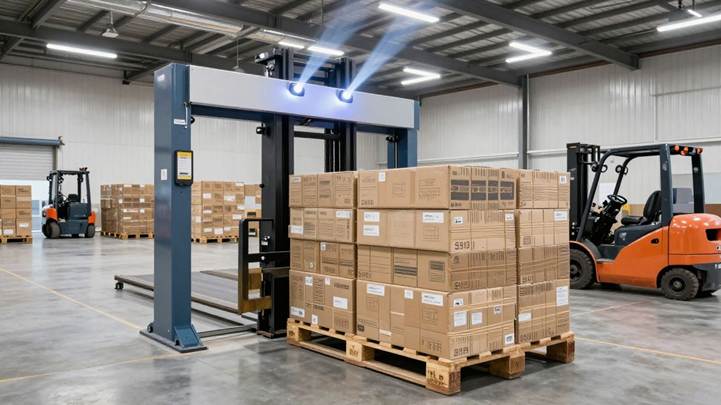
Advanced freight dimensioning systems use a mix of lasers, cameras, and sensors. This combination captures precise measurements of length, width, and height. The goal is to get accurate data every single time, no matter the shape or size of the package. This technology works quickly, often in just a few seconds, to measure items as they move through a facility. It’s a big step up from manual measuring, which can be slow and prone to mistakes. This automated freight measurement is key to making logistics smoother.
Seamless Integration with Logistics Platforms
These systems are built to connect with your existing software. Think about your Warehouse Management System (WMS) or Transportation Management System (TMS). The data from the dimensioner flows directly into these platforms. This means you don’t have to manually enter information, which saves time and cuts down on errors. It creates a connected workflow where measurement data is immediately available for planning and decision-making. This integration is what makes automated freight measurement truly powerful for logistics.
Automated Data Flow for Workflow Efficiency
Once measurements are taken, the data needs to go somewhere useful. Advanced systems automate this process. Information like dimensions, weight (if a scale is included), and even images of the item are sent automatically. This data can then be used for things like calculating shipping costs, optimizing truck loading, and tracking inventory. The automated flow of information means less manual work for your team. It helps speed up operations and reduces the chance of mistakes creeping into your processes. This efficiency boost is a major reason companies look into these systems.
Benefits Of Implementing Freight Dimensioners
Significant Cost Reductions in Freight Operations
Implementing freight dimensioners directly impacts the bottom line by cutting down on expenses. These systems provide exact measurements, which means less guesswork and fewer surprises. This precision helps avoid overpaying for shipping space and reduces the chances of unexpected surcharges. The accurate data captured by freight dimensioners is key to controlling costs.
- Reduced fuel consumption due to optimized load planning.
- Minimized fees from incorrect shipment declarations.
- Lower labor costs by automating measurement tasks.
Precise data from freight dimensioners prevents costly errors before they happen, saving money on every shipment.
Enhanced Delivery Accuracy and Reliability
When shipments are measured accurately, the entire delivery process becomes more dependable. Knowing the exact dimensions and volume of freight allows for better planning of routes and vehicle capacity. This leads to fewer delays and a higher rate of on-time deliveries. Customers benefit from this reliability, building trust and satisfaction.
Increased Operational Efficiency and Throughput
Automated freight dimensioning speeds up operations significantly. Manual measurement is slow and prone to errors. By automating this step, staff can focus on other critical tasks, and the overall flow of goods through a facility improves. This boost in efficiency means more shipments can be processed in less time, increasing throughput and productivity across the board. The use of freight dimensioners streamlines workflows, making operations smoother.
Selecting The Right Freight Dimensioner Solution
Evaluating System Accuracy and Reliability
When looking at freight dimensioner systems, the first thing to check is how accurate and dependable they are. You want a system that consistently measures your freight correctly, every single time. Think about the technology used – are they using lasers, cameras, or a mix of sensors? Each has its strengths, but the goal is to get precise dimensions that you can trust for planning and billing. A system that frequently makes errors will just create more problems down the line.
Consider the environment where the dimensioner will be used. Will it be in a busy warehouse with lots of movement, or a more controlled loading dock? Some systems handle dust, vibration, or changing light conditions better than others. It’s also smart to ask about the system’s uptime and what kind of support is available if something goes wrong. Reliability is key for smooth operations.
Look for systems that offer visual records of the measurements. This can be super helpful if there’s ever a question about a shipment’s size or if a dispute arises. Having photographic evidence alongside the dimension data adds another layer of confidence and transparency to your operations. This is where automated freight dimensioning really shines.
Assessing Integration Capabilities with Existing Systems
It’s not enough for a freight dimensioner to just measure things accurately; it needs to play nice with your other software. Think about your current Warehouse Management System (WMS), Transportation Management System (TMS), or Enterprise Resource Planning (ERP) software. The best dimensioning solutions will connect easily, sending data automatically without requiring a lot of manual input.
This integration is what makes automated freight dimensioning truly powerful. If the data from the dimensioner has to be typed into another system by hand, you lose a lot of the efficiency gains. You want a system that can talk to your other platforms, sharing information in real-time. This reduces errors and speeds up your entire workflow.
When you’re talking to vendors, ask specific questions about their integration process. Do they have pre-built connectors for the software you use? What are the costs and timelines involved in setting up these connections? A solution that integrates well will save you time and headaches.
Considering Scalability for Future Growth
Your business isn’t going to stay the same, so the tools you choose shouldn’t hold you back. When selecting a freight dimensioner, think about how it will handle increased volumes as your company grows. Will the system slow down if you double your shipments? Can it handle more users or different types of freight in the future?
Scalability means the system can grow with you. This might involve adding more measurement points, upgrading software capabilities, or handling more complex data. A system that’s built to scale will save you from having to replace it down the road, which is a big cost saving in the long run.
Investing in a scalable solution today means you won’t have to worry about replacing your measurement technology when your business expands. It’s about future-proofing your logistics operations.
Look for vendors who can clearly explain how their systems can adapt to changing needs. This might include modular designs or software updates that add new features. Choosing a system that can grow with your business is a smart move for long-term success and maintaining operational efficiency.
Real-World Impact Of Freight Dimensioners
Case Studies in Logistics Optimization
Companies that have put automated freight dimensioners to work are seeing real changes. Take, for instance, a large LTL carrier that implemented dimensioning systems across its network. They reported a noticeable drop in billing disputes related to incorrect freight dimensions. This meant less time spent by their staff chasing down discrepancies and more time focused on moving freight. The accuracy provided by these systems helps carriers and shippers align on shipment details from the start.
Another example involves a 3PL provider looking to maximize its warehouse space. By using freight dimensioners, they gained a clearer picture of the actual cubic space each shipment occupied. This data allowed them to plan pallet stacking and truck loading more effectively, leading to fewer partially empty trailers and a reduction in overall transportation costs. The precise data capture from these systems is key.
The integration of automated freight dimensioning technology has moved beyond theoretical benefits to tangible operational improvements. Businesses are finding that accurate, real-time data directly translates into reduced expenses and a smoother workflow.
Measuring Success Through Key Performance Indicators
When businesses adopt freight dimensioners, they often track specific metrics to see the difference. One common indicator is the reduction in chargebacks or billing disputes. If a company sees a 20% decrease in these issues after implementation, that’s a clear win. Another important metric is the improvement in load density – how much of a truck’s or container’s space is actually being used.
Operational efficiency is also a big one. This can be measured by looking at how quickly shipments are processed through a dock or how much manual data entry has been eliminated. For example, a company might track the average time it takes to record shipment details before and after installing dimensioning equipment. A shorter processing time points to greater efficiency.
- Reduced billing disputes
- Increased load density
- Faster shipment processing
- Lower manual data entry time
Driving Competitive Advantage with Smart Technology
In today’s market, being efficient isn’t just nice to have; it’s how you stay ahead. Companies using automated freight dimensioners are finding they can offer more competitive pricing because they have a better handle on their costs. They also experience fewer delays, which leads to happier customers and repeat business. This technology helps businesses operate with more certainty.
The ability to capture accurate data quickly and feed it into other logistics systems means faster decision-making. This agility allows companies to respond better to changing market demands or unexpected disruptions. Ultimately, investing in freight dimensioners is about building a more resilient and profitable operation. The impact of precise data capture is significant.
Conclusion
Freight dimensioners are changing how logistics operations work. By giving exact measurements, they help companies use space better, price things right, and avoid problems. This means less waste, happier customers, and a smoother running business. As the industry keeps growing, using this kind of smart technology isn’t just a good idea, it’s becoming necessary to stay competitive and efficient.
Leave a Reply