
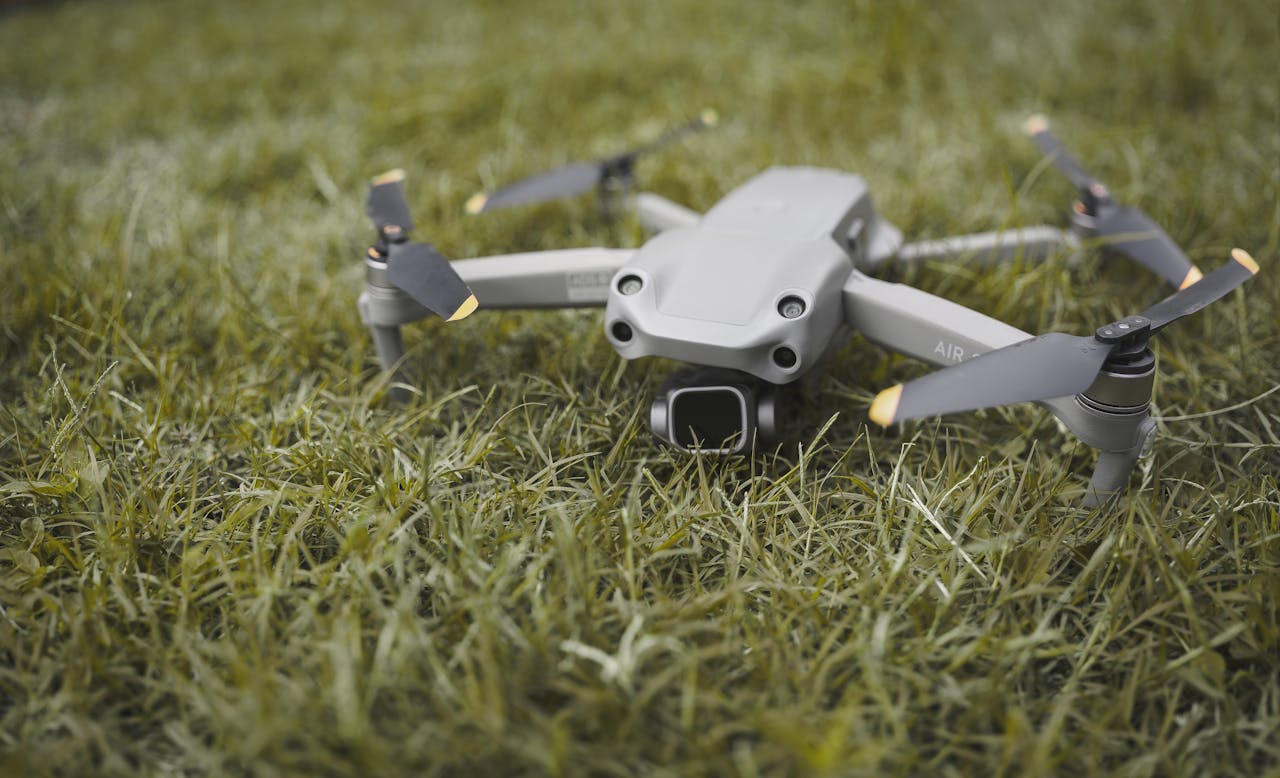
Flying a drone can be confusing for both new and experienced pilots. Each year, thousands of people take up Drone Training to improve their flying skills and stay safe. This blog will share easy steps and expert tips to help you get better at drone piloting, whether you are just starting or want to master advanced moves.
Keep reading to boost your confidence in the sky!
Importance of Drone Training
Drone training helps keep drone pilots and the public safe. The Federal Aviation Administration (FAA) reported over 1.8 million drones registered in the United States by March 2024. Skilled piloting prevents crashes, injuries, and property damage.
Proper flight techniques also help you follow FAA regulations and local laws. Training builds navigation skills and teaches you to remain aware of obstacles such as trees or power lines.
Learning these skills prepares both beginners and experts for successful flights under different conditions.
Next, explore helpful beginner training tips such as understanding FAA rules and practicing basic maneuvers.
Beginner Drone Training Tips
Start with simple steps to build your drone piloting skills. Take time to develop safe and steady flight techniques before advancing.
Understanding FAA Regulations
All drone pilots in the United States must follow FAA regulations. The Federal Aviation Administration (FAA) sets rules for all UAVs, Unmanned Aerial Vehicles that weigh more than 0.55 pounds and less than 55 pounds.
You need to register your drone with the FAA before your first flight if it fits in this weight range. Always fly below 400 feet and keep your drone within sight at all times.
“Stay alert, stay legal, and know the airspace you fly,” is important advice from expert drone instructors.
You cannot fly near airports or over groups of people without special permission. Night flights require anti-collision lights on your drone. If you want to earn money as a remote control pilot, you must pass the FAA Part 107 test to get a commercial license.
These safety guidelines help protect people, property, and other aircraft during each flight mission. Following these laws will improve both novice and skilled pilots’ navigation skills while reducing risks during aerial photography or advanced maneuvers.
Practicing Basic Flight Maneuvers
After learning about FAA regulations, moving on to basic flight maneuvers is crucial. This practice helps drone pilots improve their control and confidence.
- Start with hovering. Pilots must keep the drone in one place at different heights.
- Practice takeoffs and landings. Smooth operations prevent crashes.
- Learn to fly in a straight line. This builds control over the drone’s direction.
- Master the figure-eight flying pattern. It enhances coordination and skill.
- Try flying in various weather conditions to understand how wind affects the drone.
- Increase flight altitude gradually to become comfortable with higher flights.
- Use obstacles to simulate real-world scenarios for better navigation skills.
- Focus on battery management during flights to avoid losing power unexpectedly.
- Record flights to review and improve piloting techniques later on.
- Always follow safety guidelines to protect both the drone and its surroundings.
These steps help beginners build a solid foundation in drone piloting, aerial photography, and UAV operation before attempting more advanced maneuvers and techniques.
Choosing the Right Equipment
Pick a drone that fits your skill level. Beginners can start with small UAVs that have safety features like propeller guards and GPS stabilization. Experts often use advanced drones for aerial photography or remote inspections.
Check if the drone meets FAA regulations and supports the flight techniques you want to learn. Choose a remote control that feels comfortable in your hands. Rechargeable batteries, spare parts, and clear manuals help keep flights safe.
Drones from trusted brands such as DJI or Autel Robotics offer good quality and reliability for most users. Some drones come with built-in cameras for better aerial photography and videography skills.
Always review the equipment’s range, battery life, camera quality, and weight before making a choice. These factors improve the piloting experience while following safety guidelines and laws.
Advanced Drone Training Tips
Hone your skills with smart flight modes and learn how to capture better photos or videos from the sky—read more for expert tips.
Mastering Intelligent Flight Modes
Mastering intelligent flight modes takes your drone piloting skills to the next level. These modes enable more complex maneuvers and can improve aerial photography and videography.
- Learn about the different intelligent flight modes your drone offers. Read the manual carefully to understand each mode.
- Practice with GPS-assisted flight modes. These can help with stable hovering and precise navigation.
- Try out follow-me mode for dynamic shots that track moving subjects smoothly.
- Use waypoint navigation to plan and execute complex flight paths automatically.
- Experiment with orbit mode to capture stunning 360-degree videos around a specific point of interest.
- Test out obstacle avoidance features to keep your drone safe during intricate flights.
- Work on mastering return-to-home functions for safer recoveries in case of lost connections or low battery.
- Incorporate these modes into your aerial photography projects for more creative shots.
- Always check local regulations and laws before using advanced flight modes, especially in populated areas.
- Keep practicing regularly to become proficient in using these intelligent flight features effectively.
Improving Aerial Photography and Videography Skills
Improving skills in aerial photography and videography is crucial for drone pilots. This involves learning about camera settings, flight patterns, and editing techniques.
- Practice flying in different light conditions to see how it affects your shots. Early morning and late afternoon offer soft light that can enhance your images.
- Learn how to adjust camera settings manually. Change ISO, shutter speed, and aperture based on the lighting to get clear pictures.
- Use the rule of thirds for composition. Place interesting elements at the intersections of your frame to make photos more appealing.
- Experiment with various angles and heights. Capturing the same subject from different viewpoints can lead to unique photographs.
- Master steady and smooth flying techniques for video. Slow movements create more professional-looking footage than fast or jerky ones.
- Edit your photos and videos post-flight. Software like Adobe Photoshop for photos and Adobe Premiere Pro for videos can improve the final result.
- Regularly review safety guidelines from the FAA before flights, especially when trying new maneuvers or flying in new locations. Safety is as important as getting a good shot.
Next, learn how mapping and inspection techniques can further your drone piloting skills.
Incorporating Mapping and Inspection Techniques
After learning aerial photography and videography skills, expand your drone piloting by using mapping and inspection techniques. Use drones to collect data for large areas fast. Many surveyors now use UAVs instead of old tools because they work faster and more safely.
For example, a drone can map 100 acres in one hour, which is much quicker than ground teams.
Master flight techniques like flying in straight lines or grids. This helps make clear maps for agriculture, construction sites, or disaster zones. Drones also help with building inspections; they reach hard-to-see spots safely without ladders or scaffolds.
Always follow safety guidelines during these checks to protect people on the ground as well as property nearby.
Tools and Resources for Drone Training
You can boost your drone piloting skills by using books, simulators, and online videos. Many pilots also join local clubs to practice flight techniques and learn new UAV tips from others.
Online and In-Person Courses
Online and in-person courses are great ways to learn drone piloting. They offer structured learning from basic flight techniques to advanced aerial photography skills. Platforms like Drone Launch Academy provide comprehensive training for beginners and professionals alike,
- Many online courses are self-paced. This means you can start and stop whenever you want. This is good for busy schedules.
- In-person classes give hands-on experience. You get to fly a drone with an expert’s help. This can speed up your learning.
- Courses often cover FAA regulations and safety guidelines. Knowing these helps you fly legally and safely.
- Some courses prepare you for the FAA Part 107 test. Passing this test lets you fly drones for money.
- Advanced courses teach about intelligent flight modes, mapping, and inspection techniques. These skills are important for jobs in drone piloting.
- Many classes offer resources for skill development after the course ends. You can keep improving with these tools.
Next, we will talk about preparing for the FAA Part 107 test.
FAA Part 107 Test Preparation
Study the FAA Part 107 rules to fly drones for work in the U.S. This test checks your knowledge of airspace, weather, flight techniques, and drone safety guidelines. The passing score is 70%.
Over 50,000 people have taken this exam every year since its launch in August 2016.
Many use free online study guides or videos. Get hands-on with UAV simulators to learn remote control skills needed for real testing situations. Read about topics like controlled airspace classes and emergency procedures.
“You must know how to read aeronautical charts,” says FAA Certified Instructor Mark Johnson.
Some courses offer practice tests based on past exams from the Federal Aviation Administration (FAA). After study sessions, check your skill development by using these quizzes before booking an official test date at an approved site.
Find out more about helpful resources that make learning easier as a drone pilot.
Conclusion
Learning to fly a drone takes time and practice. Keep safety rules in mind for every flight. Grow your skills with each session, whether you are new or experienced. Use the right tools and training for better results.
With these tips, you can enjoy drone flying and capture great shots from the sky.
Leave a Reply