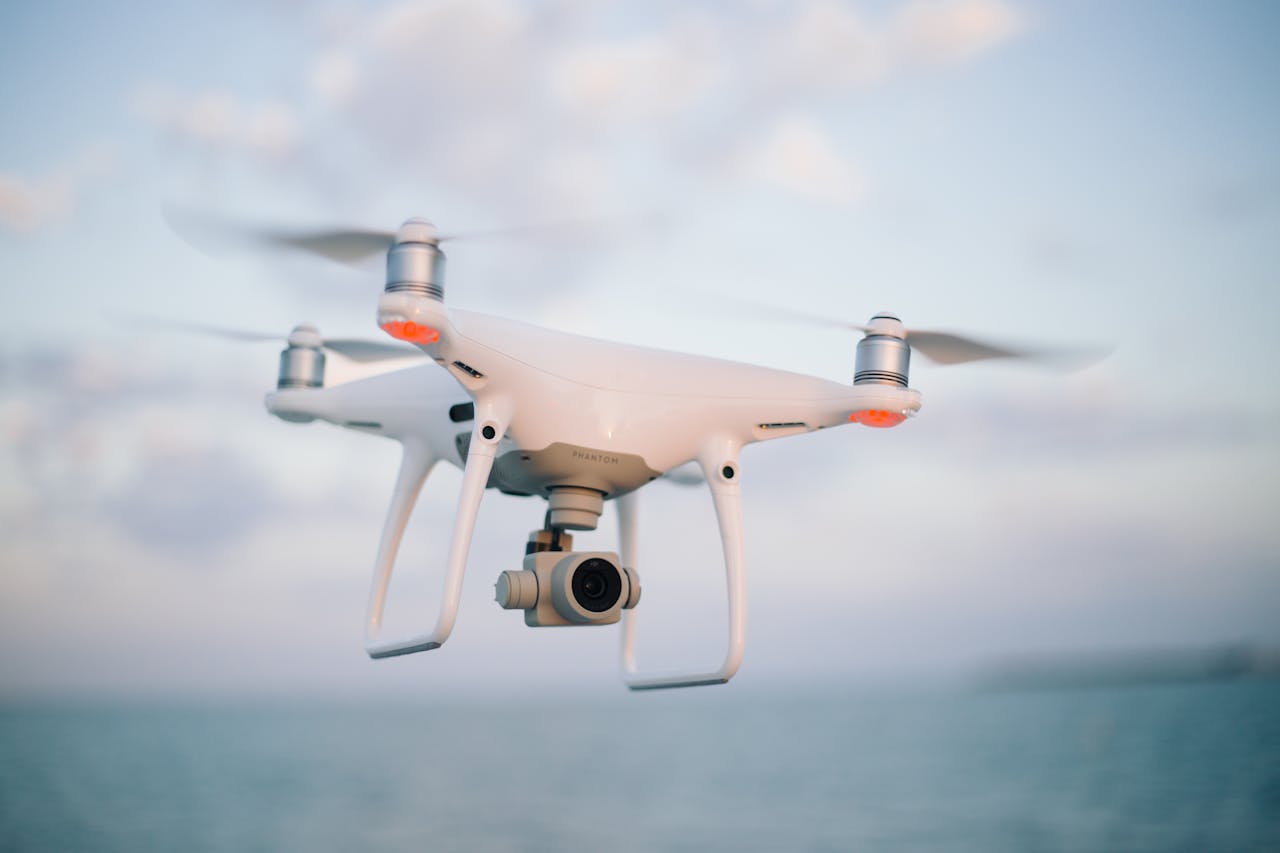
Many people want better jobs but do not have the right skills for new technology. More companies use drones, called Unmanned Aerial Vehicles or UAVs, to get work done faster and safer.
This blog will show you how learning drone skills can help you find good jobs in different fields. You will discover why drone training is so important today.
The Growing Demand for Drone Technology
Unmanned Aerial Vehicles, or UAVs, have become common in the last ten years. Data from the Federal Aviation Administration shows that over 865,000 drones were registered in the United States by June 2023.
Companies use these drones for aerial photography, mapping, and inspections. Public safety teams fly them to help with emergency response.
Drone certification has opened jobs for people with remote piloting and robotics training. The price of drone technology dropped by over 50 percent since 2015. Industries now depend on skilled pilots to boost productivity and cut costs.
“People with strong aviation skills are needed more than ever,” says the FAA’s chief administrator.
Sectors such as farming and construction now seek experts who use drones daily; this push will be covered next under industries benefiting from drone expertise.
Industries Benefiting from Drone Expertise
Many sectors now use drones to solve daily challenges. Skilled drone operators help these fields work faster and safer.
Agriculture and Farming
Drones are positively transforming farming. They assist farmers in observing their fields from above. This provides them with a clear view of crop health and growth patterns. Farmers can identify issues early, like pests or diseases.
Aerial photography reveals details that are difficult to notice from the ground.
Utilizing agricultural drones saves time and money as well. They gather data rapidly, aiding in making informed decisions. For instance, farmers can use this information to apply water or fertilizer only where necessary.
This minimizes waste and enhances yields, resulting in healthier crops in general. Drone training equips individuals for these new responsibilities in agriculture, making it an essential skill today.
Construction and Infrastructure
Drone training plays an important role in construction and infrastructure. These skills help workers survey land quickly and accurately. Drones can capture images from above, making it easier to plan projects.
They also speed up inspections of buildings and bridges.
Using drones improves safety on job sites. Workers can check hard-to-reach areas without climbing or using heavy equipment. This saves time and reduces risks for everyone involved.
Many companies now seek drone-certified pilots to enhance their operations in this field.
Emergency Response and Disaster Management
Drones play a vital role in emergency response and disaster management. They provide real-time data during crises like floods, wildfires, or earthquakes. First responders use drones to assess damage quickly.
This helps them make better decisions about rescue efforts.
Drones can reach areas that are unsafe for people. They capture aerial images that show exactly what is happening on the ground. Emergency teams rely on this information to save lives faster.
Training in drone operation gives individuals critical skills for these urgent situations.
Media and Entertainment
Emergency response and disaster management often use drones for quick support. Media and entertainment also find great value in drone technology. Drones are now key tools for aerial photography and videography.
They capture stunning shots that add excitement to movies, music videos, and live events.
Many filmmakers rely on drone footage for unique perspectives. Aerial views create a dramatic effect that enhances storytelling. Live sports broadcasts benefit from drones, giving fans high-flying action they would otherwise miss.
As the demand grows, crew members skilled in remote piloting will be vital in this field. Drone certification can open doors to many job opportunities in media and entertainment.
Travel and Tourism
Drones have become an indispensable tool for the travel and tourism sector to promote destinations and experiences, and to create content within the industry. With stunning aerial shots and high-resolution images of hotels, landscapes, and historical sites, business owners can develop high-quality marketing materials.
For example, a tour operator can use drones to offer panoramic views that promote a tour of the Normandy beaches. This type of imagery helps to excite potential customers about the experience, significantly increasing bookings.
Drone technology also allows travel companies to conduct virtual site inspections and map complex routes, improving logistical planning and customer safety.
Key Components of Drone Training
Drone training covers essential skills. Pilots learn how to fly safely and follow rules.
Flight Operations and Navigation
Drones require good flight operations and navigation skills. Learning these skills is essential for safe and effective flying.
- Flight planning is key to successful drone missions. Operators must define the route, identify no-fly zones, and ensure safety measures are in place.
- Understanding flight controls is crucial. Pilots learn how to use the remote control effectively. Mastery of controls helps with smooth takeoffs, landings, and mid-air maneuvers.
- Knowledge of GPS technology enhances navigation skills. GPS ensures that drones fly accurately to set points. It helps with mapping areas or taking photos from specific angles.
- Awareness of weather conditions affects flying decisions. Wind speed, rain, and temperature impact drone performance. Operators must check forecasts before flights.
- Practicing situational awareness improves safety during operations. Pilots should be alert to obstacles like trees or buildings nearby. This skill helps prevent crashes and damage.
- Learning about different types of drones aids in selecting the right one for tasks. Each drone has unique features designed for specific jobs, like aerial photography or surveying technology.
- Flight simulations offer a hands-on way to practice without risk. Many training programs include simulator sessions to build confidence before real flights.
- Following regulatory guidelines is important in drone operations. Pilots need to understand local laws governing UAVs; failing to comply can lead to fines or legal issues.
- Safety protocols help protect people and property when operating drones.
Operators learn emergency procedures for various scenarios; knowing what to do can prevent accidents. - Continuous practice keeps flying skills sharp over time.
Regular training sessions help drone pilots stay updated on new tech and aviation skills in a fast-changing industry.
Safety and Regulation Compliance
Safety is critical in drone training. Regulations help keep everyone safe while operating UAVs.
- Understanding FAA Rules is essential for all drone pilots. The Federal Aviation Administration sets guidelines that must be followed to fly legally and safely.
- Risk Management is a key part of safety training. Pilots learn how to identify and manage potential dangers during flight operations.
- Pre-flight Checks ensure drones are ready to fly. These checks include inspecting the battery, camera, and control systems for any issues before takeoff.
- Emergency Procedures prepare pilots for unexpected situations. Training includes handling equipment failures or changing weather conditions quickly and safely.
- Flight Logs track each mission’s details and outcomes. Keeping logs helps pilots analyze their flights and improve their skills over time.
- Insurance Knowledge protects pilots from financial loss. Understanding liability coverage is vital in case of accidents or damage caused by the drone.
- Local Laws vary by state and city, so awareness is crucial. Pilots need to know specific rules where they intend to operate their drones to avoid fines or legal trouble.
- Certification Programs provide official recognition of skills learned in training courses. Obtaining certification can give pilots an edge in the job market within industries using UAVs.
- Ethical Considerations guide responsible flying practices. Pilots learn about privacy concerns and how to respect others’ personal space while taking aerial shots or data collection.
Drone Maintenance and Troubleshooting
Drone maintenance and troubleshooting are vital skills for drone operators. These skills ensure safe flights and long-lasting equipment.
- Regular checks keep drones in top shape. Pilots must inspect all parts, from the propellers to the battery.
- Basic repairs can save time and money. Understanding how to fix common issues helps avoid delays.
- Learning about software updates is key. Software improvements often enhance drone performance and safety.
- Recognizing warning signs is important. Knowing when something is wrong allows for prompt action.
- Cleaning drones improves functionality. Dirt and debris can cause mechanical problems or affect flight quality.
- Battery management extends drone life. Proper charging practices help avoid failures during critical operations.
Understanding drone maintenance leads to the next topic of career opportunities after drone training.
Career Opportunities After Drone Training
Many exciting jobs await those who complete drone training. From piloting drones to capturing stunning photos, the options are vast and rewarding.
Commercial Drone Pilot
A commercial drone pilot flies drones for various purposes. They may work in industries like agriculture, construction, or media. Aerial photography is a popular task for these pilots.
They capture stunning images and videos from above.
Drone pilots need specialized training to operate safely and follow the rules. Getting a drone certification is essential for legal flying. This skill opens doors to many job opportunities in growing fields like surveying technology and emergency response.
Business demand for skilled drone operators continues to rise rapidly.
Drone Photography and Videography
Drone photography and videography have changed how we capture images. Drones can fly high above the ground, giving us unique views. This technology helps photographers show scenes in ways that were not possible before.
Many people now use drones for weddings, events, and real estate listings. For instance, a drone operator can be hired to take aerial photographs for a photo guest book for a wedding, creating a unique and unforgettable keepsake for the couple.
Skills in remote piloting are crucial for this field. A drone pilot must know how to frame shots and follow safety rules while flying. With practice, they can create stunning videos and pictures aerially.
These visuals play a significant role in media production today. Next, we will explore key components of drone training.
Surveying and Mapping Specialist
Surveying and mapping specialists use drones to create accurate maps and gather data. These experts fly unmanned aerial vehicles (UAVs) over areas to collect images and measurements.
They help industries like construction, agriculture, and real estate with their projects.
With drone training, individuals learn flight operations and safety regulations. They gain skills in aerial photography and surveying technology. The demand for these specialists is growing as more businesses see the value of precise mapping through drones.
Conclusion
Drone training is now more important than ever. Many industries rely on drones to improve their work. Farmers use them to monitor crops, while builders check sites from above. Emergency teams need drone pilots for quick action in crises.
With so many career paths available, investing time in drone skills can lead to exciting opportunities.
Leave a Reply