
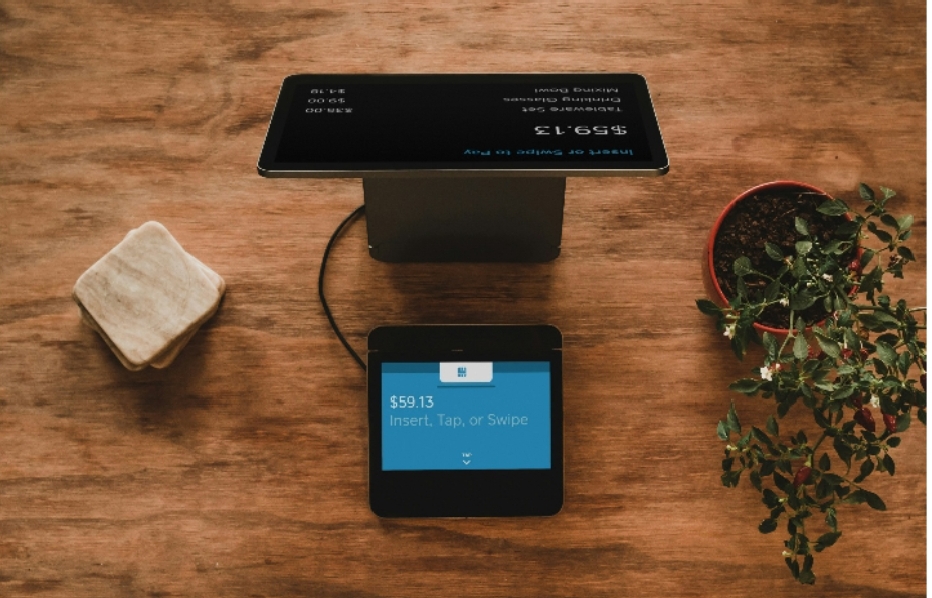
Investing in reliable software is a smart decision to manage your business payments effortlessly. It automates tasks like entering invoices, matching them with purchase orders, and scheduling payments, which reduces mistakes and saves time. Moreover, it also provides useful reports and insights, helping you understand cash flow and make better financial decisions.
When looking for a digital tool to manage finance, most people focus only on features and price. They often overlook integration, security, user adoption, reporting, and support needs. It results in making the wrong choice, which can cost you time, money, and a lot of frustration.
In this article, we will explore common mistakes to avoid when buying an account payable software.
Mistake 1: Ignoring Your Actual Workflow
Many businesses make the mistake of choosing software without checking whether it matches their daily workflow. You need to map out exactly how invoices come in, who approves them, and how payments are made. Look at all exceptions, like late invoices or urgent payments, to see if the software can handle them. Additionally, make sure the selected account payable software can handle multiple invoice formats, approval hierarchies, and real-life exceptions.
Mistake 2: Only Considering the Initial Cost
Price matters, but only thinking about the initial purchase is a big mistake. You also need to consider setup, implementation, training, integrations, and ongoing support. Some software charges extra for features or adding more users. So, always calculate the total cost over several years to see whether it is really affordable. It helps you avoid budget problems and ensures that the software remains useful and sustainable for your business.
Mistake 3: Forgetting About Integration
Your new software needs to work with your existing systems, like ERP, banking, or procurement tools. If data cannot flow automatically, you’ll spend extra time manually updating records, and mistakes can happen. Therefore, it’s also important to check whether the software can connect through APIs or standard connectors. Ask about syncing schedules, mapping fields correctly, and handling errors.
Mistake 4: Not Thinking About Security
When handling payments and supplier data, security should be your top priority. You must ask how the software encrypts data, controls access, and tracks user activity. Check whether it supports multi-factor authentication and single sign-on, and third-party certifications or audits that show the system is secure. It protects your business and your vendors.
Mistake 5: Overlooking User Adoption
Even the best software will fail if your team does not use it properly. Without proper adoption, employees may continue using old spreadsheets or shortcuts, which prevents you from getting the benefits of automation and better visibility. So, you also need to plan for training, communication, and support. Create step-by-step guides for real tasks, not just feature lists, monitor usage after implementation, and gather feedback to fix problems quickly.
Mistake 6: Ignoring Scalability and Performance
Some systems work fine with small numbers of invoices, but slow down when volume increases. So, always consider performance metrics, customer references, and results from stress tests. Check response times during busy periods and how reports perform with large datasets. You can also check how the system archives old data while staying fast. It helps you avoid bottlenecks, delay payments, and unnecessary stress.
Mistake 7: Skipping Reference Checks
Always speak to other customers before deciding. It will help you learn about real-life experiences, timelines, support quality, any unexpected costs, integration challenges, and reporting issues. Check whether the software delivered the promised improvements. Honest feedback from other users helps you understand what to expect and whether the software will work in your situation.
Mistake 8: Choosing Based on Brand or Price Alone
It’s tempting to pick a familiar brand or the cheapest option, but value matters more. Compare support quality, security, integration, and how well the system meets your actual needs. Run pilots, check references, and evaluate the total cost of ownership. It will help you choose a reliable software, like SutiAP, which balances features, ease of use, and strong support. It ensures smoother operations, fewer errors, and better financial control.
Key Takeaway
Choosing the right system can save time, reduce errors, improve vendor relationships, and help you manage payments with confidence. So, make sure to take time to plan, test, and involve your team, avoid these mistakes, and pick a solution that truly supports your business today and in the future.
Leave a Reply