
Bringing a new hardware product to market feels like a marathon made up of many smaller sprints. You research, prototype, test, refine, and plan your launch. You coordinate manufacturing, packaging, logistics, and marketing. With so many moving parts, teams tend to focus on what feels most urgent: function, deadlines, and cost. But there is one step in the process that often receives far less attention than it deserves — and it can quietly determine whether your hardware launch succeeds or fails.
That step is early-stage design planning. It sounds simple, but it is far from trivial. Strong planning bridges the gap between ambition and reliable execution. When neglected, it leaves even well-engineered products vulnerable to delays, quality issues, and expensive redesigns. When done well, it becomes the foundation that holds the entire product lifecycle together.
In today’s competitive hardware market, where timelines are tight and expectations are high, teams can’t afford to overlook the planning stage. It is the point at which risks can be minimized, opportunities maximized, and major surprises avoided.
Why Early Design Planning Determines Launch Success
Every hardware product is a system of interconnected decisions. One change cascades into another. A single oversight in planning can cause manufacturing bottlenecks, certification failures, or integration challenges that appear months later. Unfortunately, many teams only discover these issues when it’s too late to course-correct without significant cost.
Early planning reduces these risks by forcing teams to map out every stage — from design intent to production realities. It ensures that the product you envision can actually be built at scale, within budget, and at the level of reliability customers expect.
Aligning Engineering, Manufacturing, and Business Goals
A hardware launch only succeeds when every team pulls in the same direction. This is harder than it sounds. Engineers optimize for performance. Operations teams optimize for manufacturability. Business stakeholders optimize for margins, speed, and customer value.
Planning is the neutral zone where all of those priorities are reconciled. It is where teams agree on technical requirements, timelines, component sourcing strategies, assembly constraints, and testing protocols. Without this alignment, conflicts tend to surface late in the cycle, becoming costly and stressful to resolve.
Reducing Risk Before It Multiplies
Hardware problems get more expensive the longer they go unaddressed. A design oversight caught during planning may take a few hours to fix. Caught during production runs? It can cost millions.
Early planning allows teams to:
- Identify potential supply chain issues
- Confirm manufacturability before designs are locked
- Set realistic timelines and margins
- Align with regulatory and safety requirements
- Create documentation that reduces errors down the line
This risk reduction is especially vital for startups and companies operating in new markets, where buffers are small and missteps can stall momentum.
A Practical Look at Why Planning Matters
Technical planning becomes clearer when viewed through specific examples. In many consumer devices, for instance, the internal layout depends on how electronic components will be routed and how signals will be managed.
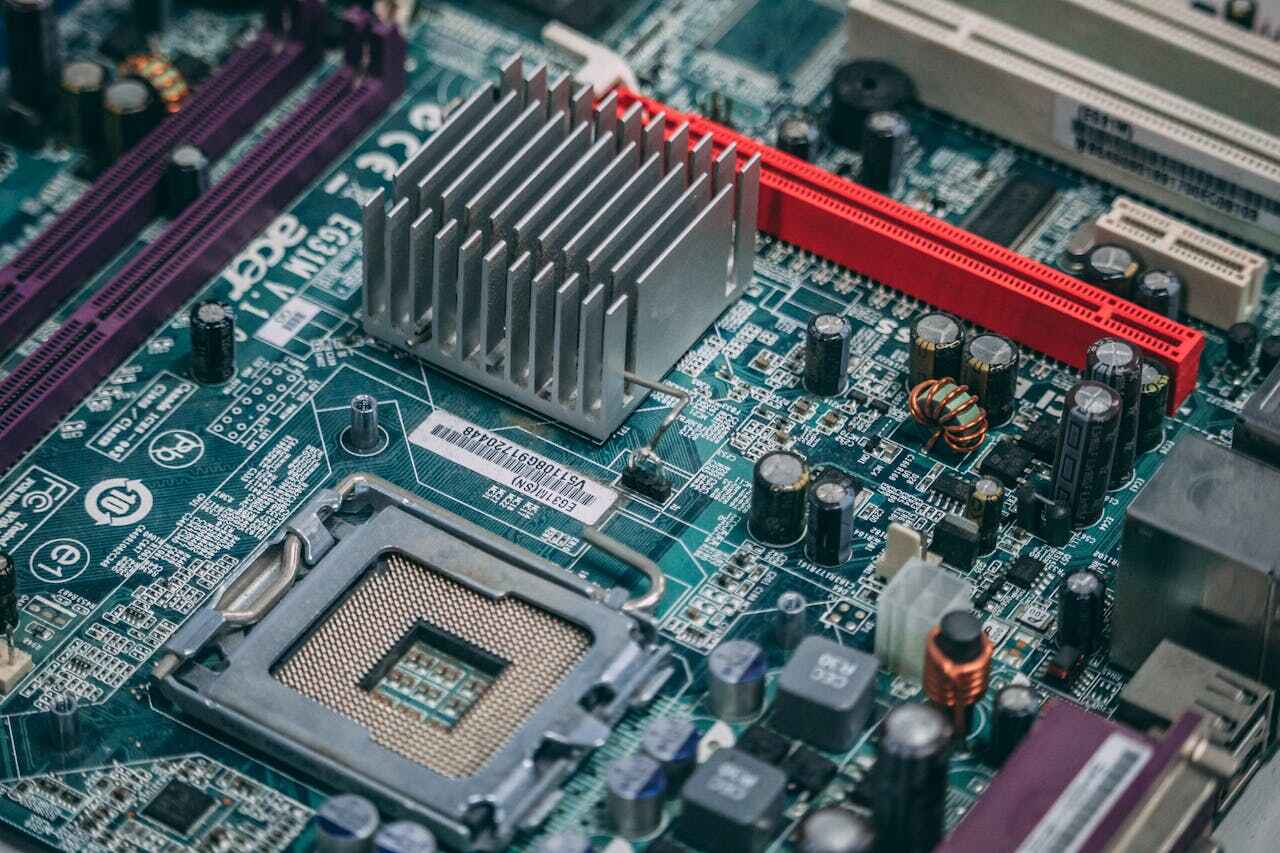
In one section of planning, teams often evaluate whether the electrical and mechanical designs will fit together cleanly without creating interference or manufacturing stress. As an example, printed circuit boards need strategic placement and thoughtful integration with the enclosure to avoid signal issues and assembly complications. Companies frequently turn to printed circuit board design services during this phase to ensure the board layout aligns with both technical goals and production realities. This level of early precision helps prevent costly revisions and ensures the rest of the product design process moves forward smoothly.
The Hidden Complexity Inside “Simple” Hardware
Even hardware that appears straightforward involves a surprising number of decisions. From enclosure tolerances to thermal considerations, antenna placement, and certification pathways, the list is long. And while teams understand each of these elements individually, problems emerge when assumptions go unchallenged or components don’t integrate as expected.
When Small Details Become Costly
A slight mismatch in connector placement can interfere with assembly jigs. A minor layout decision can disrupt wireless performance. A component chosen for prototyping may have long lead times that disrupt manufacturing schedules.
The complexity is not always about difficulty. It’s about volume — hundreds of small decisions that must work together harmoniously. Planning helps teams see the big picture and anticipate interactions that aren’t obvious at first glance.
How Overlooking Technical Integration Derails Timelines
Hardware rarely fails because of one major mistake. Instead, it fails because of a series of small misalignments that accumulate over time. Many of those misalignments trace back to weak planning.
Miscommunication Across Teams
One of the most common hazards is assuming everyone is on the same page. Without structured planning, assumptions go unspoken. Mechanical designers expect one thing. Electrical engineers expect another. Manufacturing partners interpret something entirely different.
Early-stage planning creates a shared reference point. It reduces ambiguity, promotes documentation, and ensures every department understands the decisions made and why they were made.
Underestimating Production Constraints
What works on the bench does not always work on the line. Production introduces variables that prototypes never reveal. Assembly angles, tooling access, heat dissipation during soldering, and packaging constraints can all influence the final product.
When planning doesn’t incorporate production input early enough, companies often face redesigns or slowdowns once they reach the manufacturing stage. This is where timelines stretch and budgets strain.
Building a Culture That Values Early Planning
If planning is so critical, why do teams still overlook it? Often, it’s because planning feels like a delay. Teams want to build, test, and iterate quickly. Planning, by contrast, feels slower — even though it saves time in the long run.
Developing a culture that respects planning involves several changes.
Encourage Cross-Team Collaboration
Planning works best when engineers, designers, product managers, and manufacturing partners communicate openly. Cross-functional reviews, shared documentation systems, and early involvement from outside partners create a more cohesive process.
Reward Clarity, Not Just Speed
Fast execution is valuable, but clarity is what prevents mistakes. Teams should celebrate well-documented decisions, early risk identification, and thoughtful technical discussions, not only rapid development.
Treat Planning as a Core Deliverable
Planning isn’t a nice-to-have step. It’s a deliverable with its own timelines, milestones, and ownership. When it becomes formalized, it receives the attention it deserves.
Helping Products Transition Smoothly from Concept to Market
With robust planning in place, the pathway from concept to market becomes smoother. Teams catch issues early, understand constraints, and establish predictable workflows. Suppliers know what to expect. Manufacturers understand the design intent. Engineers reduce redesign cycles. Leadership gains confidence in timelines and budgets.
A hardware launch backed by strong planning is more likely to meet its goals, deliver consistent quality, and build trust with customers. That’s especially important when releasing a first-generation product or expanding into a new category where reliability directly influences reputation.
Conclusion
Launching new hardware is never simple. It requires coordination, foresight, and disciplined execution. While many steps play a role, early design planning stands out as the one that quietly supports all others. When overlooked, it introduces unnecessary risk. When embraced, it becomes the anchor that keeps the entire project steady.
The most successful hardware teams understand that planning is not a slowdown but a strategic advantage. It helps ensure that the vision you start with becomes the product you proudly deliver — on time, on budget, and ready to earn long-lasting trust.
Leave a Reply