
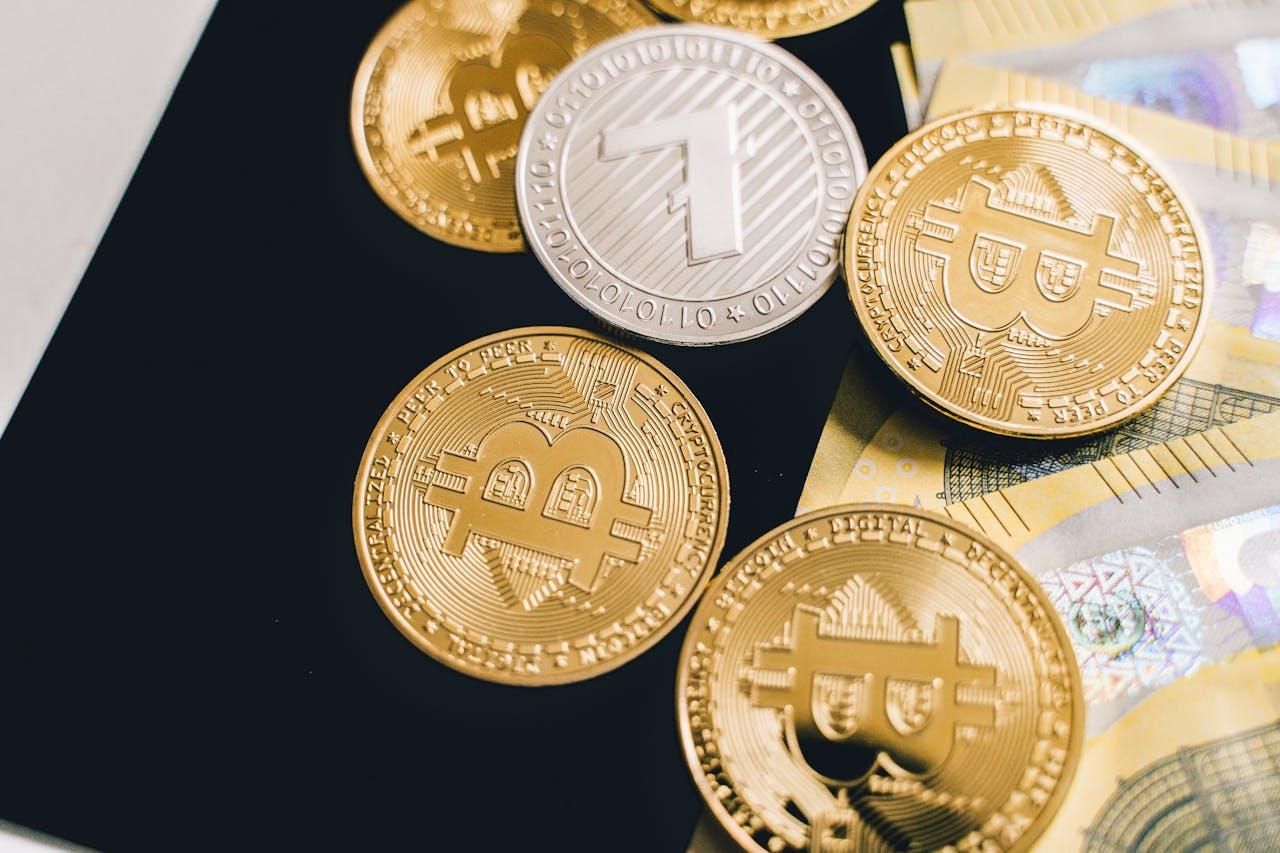
Two cryptocurrencies dominate a lot of investor conversations right now, and for good reason. Bitcoin and Solana each represent something distinct, not just in how they work, but in what they’re trying to accomplish.
If you’ve been weighing up which one deserves a spot in your portfolio, the differences between them are more meaningful than you might think.
Digital Gold vs. High-Speed Supercomputer
Bitcoin was created with one core idea: a decentralized, scarce store of value. Its fixed supply of 21 million coins, combined with its decade-plus track record, has earned it the “digital gold” label.
Solana, on the other hand, was built for speed and scale, a high-performance blockchain designed to support thousands of transactions per second and power complex decentralized applications. These aren’t competing versions of the same thing.
They’re built for fundamentally different purposes, and that distinction should shape how you think about each one.
Transaction Speed and Throughput Capacity
Speed matters. Especially if you’re thinking about real-world utility. Bitcoin processes roughly 7 transactions per second, with confirmation times that can stretch from minutes to hours depending on network congestion.
Solana’s architecture handles thousands of transactions per second, with near-instant finality. For investors, this raises a practical question: are you looking for a slow-moving asset you hold long-term, or exposure to a network that powers active, high-frequency applications?
The answer shapes which asset is actually relevant to your goals. Many investors who want a deeper look at this specific comparison search Is Solana Better Than Bitcoin to get a clearer sense of where each stands on performance metrics.
The team at Solana Company has covered this comparison in detail, making it worth reading before drawing any conclusions.
Security Model and Network Decentralization
Bitcoin’s proof-of-work consensus is its backbone. Miners around the world compete to validate transactions, and the sheer scale of the network makes it extraordinarily difficult to attack. This has been stress-tested over many years, which is part of why institutional confidence in Bitcoin runs so high.
Solana uses a proof-of-stake model combined with a unique mechanism called Proof of History. It’s efficient and fast, but the network has experienced several outages over the years, something Bitcoin has never faced.
Decentralization is also a point of ongoing debate with Solana, given that running a validator node requires significant hardware.
Development Activity and Ecosystem Growth
A blockchain’s long-term value is often tied to what gets built on top of it. Solana has seen explosive growth in developer activity, particularly in areas like decentralized finance and digital collectibles. Its ecosystem has attracted significant builder interest, and that activity tends to reflect genuine confidence in the platform’s future.
Bitcoin’s development is deliberately slower and more conservative, which its supporters see as a strength. Core protocol changes go through extensive review, and most innovation happens on secondary layers rather than the base chain.
Neither pace is inherently better, but the type of investor you are will determine which ecosystem resonates more with your outlook.
Historical Volatility and Market Behavior
Bitcoin has a longer price history, and while it’s volatile by traditional asset standards, it has established recognizable patterns over multiple market cycles. It tends to lead broader crypto market moves, and many investors treat it as a relative safe harbor within the crypto space.
Solana is significantly younger and has shown sharper price swings in both directions. During bull markets, it has dramatically outperformed. During downturns, it has also dropped harder and faster.
Leave a Reply