
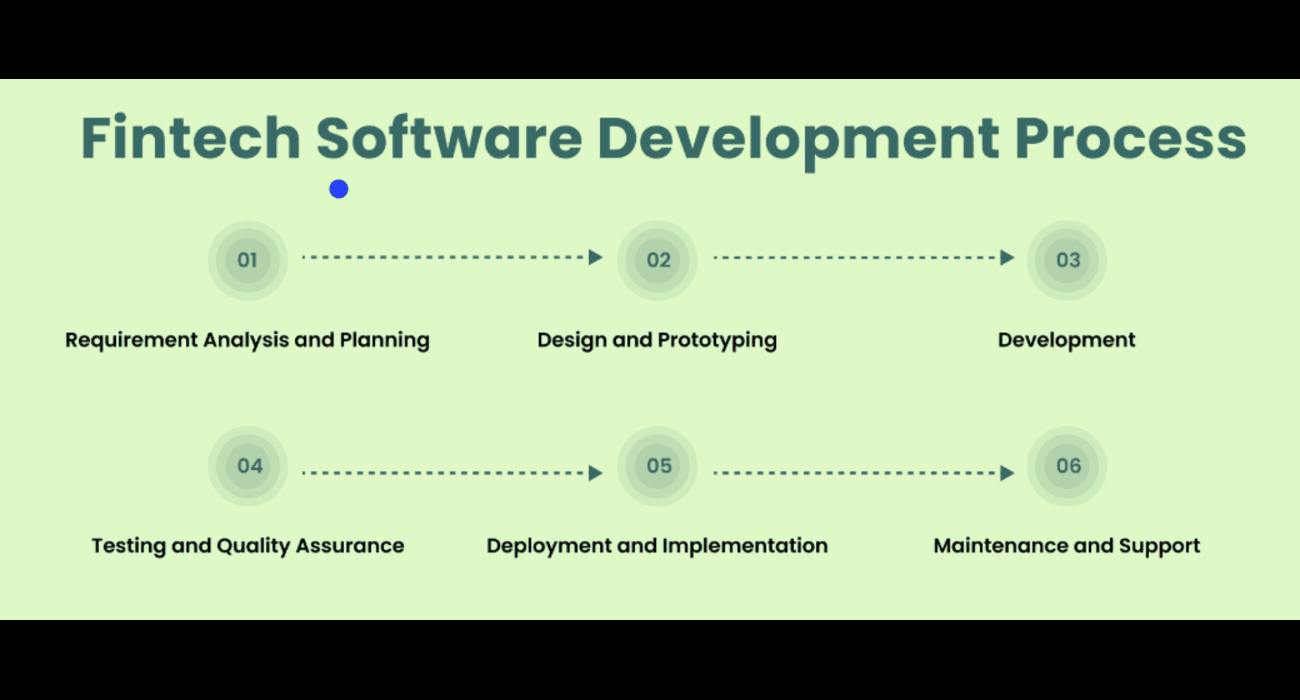
Banking used to be simple. Customers would walk into a branch, wait in line, and talk to a manager. Those days are gone. Now people want to manage their money from their phones. They do it while they’re doing other things – getting coffee, on the bus, etc.
Building fintech software today means you need speed, with additions on security and user interface simplicity, and all three at the same time. If you miss even one, customers go elsewhere. They’ll find someone who does it better. The stakes are high here. But if you get it right, the rewards are worth it.
Why Going Custom Actually Makes Sense
Pre-built solutions look attractive with quick setup and lower upfront costs. But many companies hit walls with these approaches when specific needs arise.
Finance isn’t like other industries. Customers have specific needs, and regulations change constantly. Cookie-cutter solutions force businesses to work around limitations instead of building what’s actually needed.
Custom FinTech software development services change this equation completely. Instead of changing your vision to fit someone else’s software, the software changes to fit you. This means better user experiences, stronger security, and features that actually solve real problems for your users.
Plus, you own everything here. No surprise licensing fees or vendors changing the terms on you. You decide when to upgrade, what features to add, and how your platform grows over time.
Step 1: Figure Out What You’re Actually Building
Most projects go wrong here. Teams jump straight into coding without really knowing what they’re building. Rushing this step costs big time later.
Get crystal clear on these fundamentals: What problem are you solving? Who’s going to use this? How will you make money? These aren’t fun questions, but they’re necessary.
Digital wallets provide a good example. Venmo focuses on splitting dinner bills with friends. PayPal handles business transactions. Cash App targets peer-to-peer payments. Same basic technology, completely different approaches.
What needs nailing down:
- The specific financial problem you’re fixing
- Who has this problem and how badly
- Why your solution beats existing options
- Your realistic timeline and budget
Don’t skip research. Talking to potential users early saves you from building something nobody wants.
Step 2: Deal With the Regulation Maze
Regulations are reality in fintech. They’re not designed to stop you but to protect people’s money and keep the system stable.
Different financial services face different rules. Payment processors deal with PCI DSS standards. Investment platforms need SEC approval. Lending services require various licenses. International operations add another layer of complexity.
Don’t treat compliance as something you’ll “figure out later.” Build it into your foundation. Companies waste months retrofitting compliance into systems that weren’t designed for it.
Key regulations include:
- PCI DSS compliance for payment processing
- SEC approval for investment services
- Multiple licenses for lending platforms
- Various frameworks for cross-border services
Get expert help early. Hire someone who knows regulations, or partner with specialized firms. It’s expensive upfront but cheap compared to legal problems.
Step 3: Pick Your Tech Stack Wisely
Technology choices feel overwhelming when starting out. There’s no perfect stack, just good choices for your specific situation.
Python works great for data analysis and machine learning. Java provides enterprise-level stability. Node.js shines for real-time features like live trading data.
For databases, PostgreSQL handles most fintech needs well. It’s well-documented and manages complex financial calculations without problems. You can add other specialized databases later if needed.
Cloud platforms like AWS, Google Cloud, and Microsoft Azure offer financial-grade security built in. They cost less than building your own data centers and handle compliance requirements for you automatically.
Pick technologies your team already knows well. A solid app built with familiar tools works better than a cutting-edge mess built with whatever framework is trending right now.
Step 4: Security Can’t Be Ignored
One breach can kill your company. Security needs to be baked into everything from day one.
Start with encryption. All sensitive data gets encrypted when stored and when moving. Use proven standards like AES-256. Don’t invent your own encryption.
Multi-factor authentication adds friction, but users expect it in financial apps. They understand protecting money requires extra steps.
Security essentials:
- Encrypt all sensitive data
- Require multi-factor authentication
- Hash passwords properly (never store plain text)
- Use secure communication protocols
- Regular security audits and testing
Test systems quarterly at minimum, and after major updates. It’s expensive but nothing compared to breach costs.
Take security seriously from the start. Users trust you with their financial lives.
Step 5: Make It Actually Usable
Security matters, but so does usability. Users need to feel confident without feeling confused.
Financial data is complex, but presenting it doesn’t have to be. Clean layouts, clear navigation, and helpful hints matter. When someone checks their balance at 6 AM, they shouldn’t need a manual.
Mobile comes first now. Most banking happens on phones. Your mobile experience needs to work as well as desktop.
Test with real people. What makes sense to developers might confuse users. User feedback catches problems early.
Design principles that work:
- Keep interfaces clean and uncluttered
- Use consistent navigation
- Provide clear feedback for actions
- Make important functions easy to find
- Test with real users regularly
People use financial apps when stressed about money. Don’t make confusing interfaces that add to their stress.
Step 6: Test Like Your Business Depends On It
Testing financial software differs from other apps. Bugs here lose money, expose data, and destroy trust.
Being paranoid about testing pays off. Every function needs testing. Every integration needs validation. It sounds like overkill until you catch expensive bugs.
Testing layers needed:
- Unit tests for individual code pieces
- Integration tests for system connections
- Load tests for performance under pressure
- Security tests for vulnerabilities
- User testing for real-world scenarios
Automate what you can. Automated tests catch regression bugs when adding features. But humans still need to test user experience and edge cases.
Test disaster recovery regularly. What happens when servers crash? How fast can you restore service? Your backup systems must work when needed.
Testing separates professional fintech companies from startups that fail after major bugs.
Step 7: Build for Growth
Nobody wants to rebuild systems because they can’t handle success. Apps that work for thousands might fail at tens of thousands of users.
Planning for scale means making smart architectural choices early. Think of it as buying a slightly bigger house than needed today.
Microservices architecture helps. Build smaller services handling specific functions. User authentication can scale independently from payment processing.
Database strategies for growth:
- Sharding to spread load across servers
- Caching to reduce database hits
- Read replicas for better performance
- Regular performance monitoring
Monitor everything from the start. Tools like New Relic or DataDog spot problems before they affect users.
Build systems that grow with you. You don’t need million-user capacity on day one, but you should reach it without starting over.
What Happens Next?
Building fintech software is tough but not impossible. Teams with great ideas can execute well and win big, but they can also fail by cutting corners or rushing.
The difference comes down to fundamentals: understanding users, building security into everything, testing relentlessly, and planning for growth. These separate successful fintech companies from cautionary tales.
Software is just one part of your overall strategy. To truly succeed, you also need strong customer support, effective marketing, and well structured business processes. However, when you have experienced custom software developers building the right solution for your needs, everything else from operations to customer engagement becomes far more efficient and seamless.
Take time to do this right. The fintech industry rewards companies building solid, trustworthy solutions. Users pay for software that works well and keeps money safe. They abandon anything that feels risky.
Start with clear vision. Build security and compliance into foundations. Test thoroughly. Plan for hoped-for success. Do these well, and software becomes a competitive advantage that’s hard to copy.
Focus on building something people actually need, and technology choices become much clearer.
Leave a Reply