
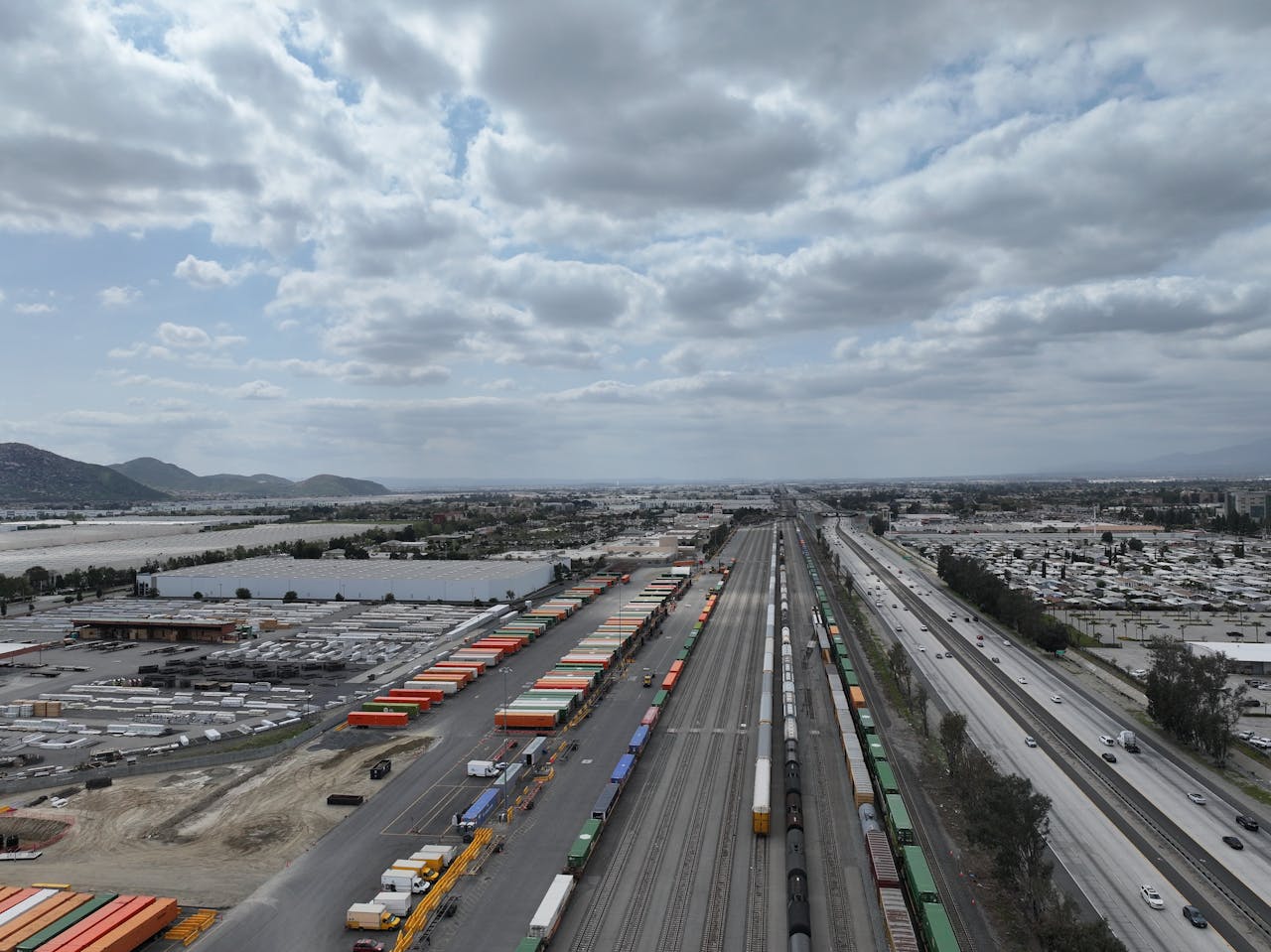
Shipping has always been a backbone of global commerce, but today’s demands for speed, transparency, and sustainability are forcing a shift. Technology leaders across the logistics industry are reimagining how goods move from point A to point B by using data, automation, and strategic partnerships to deliver smarter, more efficient shipping solutions.
The Rise of Data-Driven Logistics
One of the biggest shifts in smarter shipping is the use of real-time data. Historically, logistics decisions were based on static reports and manual inputs, which meant delays and inefficiencies were common. Today, companies are harnessing sensors, GPS tracking, and predictive analytics to understand exactly where freight is, and where it should be next.
By aggregating data from multiple sources, logistics platforms can anticipate issues before they happen. For example, if a shipment route is predicted to encounter severe weather, systems can automatically reroute cargo to avoid delays. This level of insight not only optimizes delivery timelines but also strengthens relationships with customers who value reliability.
Automation and AI: Transforming Supply Chains
Artificial intelligence (AI) and automation have moved from buzzwords to operational necessities in smarter shipping. Warehouses are integrating autonomous robots that can pick, pack, and move inventory faster than human teams alone. Meanwhile, AI-powered systems can optimize load planning — selecting the most efficient way to fill containers and trucks to reduce wasted space and cut fuel consumption.
Driverless vehicles and drones are also being tested for last-mile delivery. While widespread use is still emerging, early pilots show that autonomous delivery can speed up turnaround and reduce labor costs. For technology leaders, the push is toward an ecosystem that blends human expertise with intelligent machines that streamline operations.
Collaborative Platforms and Shared Networks
Another key trend is collaboration. Shipping leaders know they can’t create smarter systems in isolation. Digital freight marketplaces and collaborative networks are enabling better utilization of existing transport capacity. These platforms match shippers with carriers efficiently, reducing empty miles trucks or vans traveling without cargo—which is a major contributor to carbon emissions.
A great example of this is how digital platforms work with users to connect demand and supply in real time, creating a smoother experience for businesses of all sizes. Even small companies can now access competitive shipping options that were once reserved for large enterprises with dedicated logistics teams. Solutions like this democratize smarter shipping and help reduce the industry’s environmental footprint.
Sustainability as a Strategic Priority
Environmental concerns are no longer an afterthought; they’re a central part of shipping innovation. Companies are investing in electric vehicles, route optimization tools that lower fuel usage, and packaging innovations that reduce waste. Sustainability isn’t just good for the planet; it’s also cost-effective. By reducing energy consumption and eliminating unnecessary miles, companies can achieve significant savings, which is a win for both budgets and brand reputation. For businesses seeking these modern capabilities, turning to expert platforms like www.shiply.com can unlock smarter, more efficient ways to manage shipping needs without the complexity of building systems in-house.
Preparing for the Future
Looking ahead, smarter shipping will continue to evolve as technology advances. Leaders are exploring blockchain for secure, transparent record-keeping, and the Internet of Things (IoT) for greater connectivity between assets. These technologies promise even greater visibility across global supply chains.
In a world where customer expectations rise and supply chains become more complex, technology leaders aren’t just adapting; they’re reshaping how shipping works. Smarter shipping isn’t a future concept anymore; it’s happening now.
Leave a Reply