
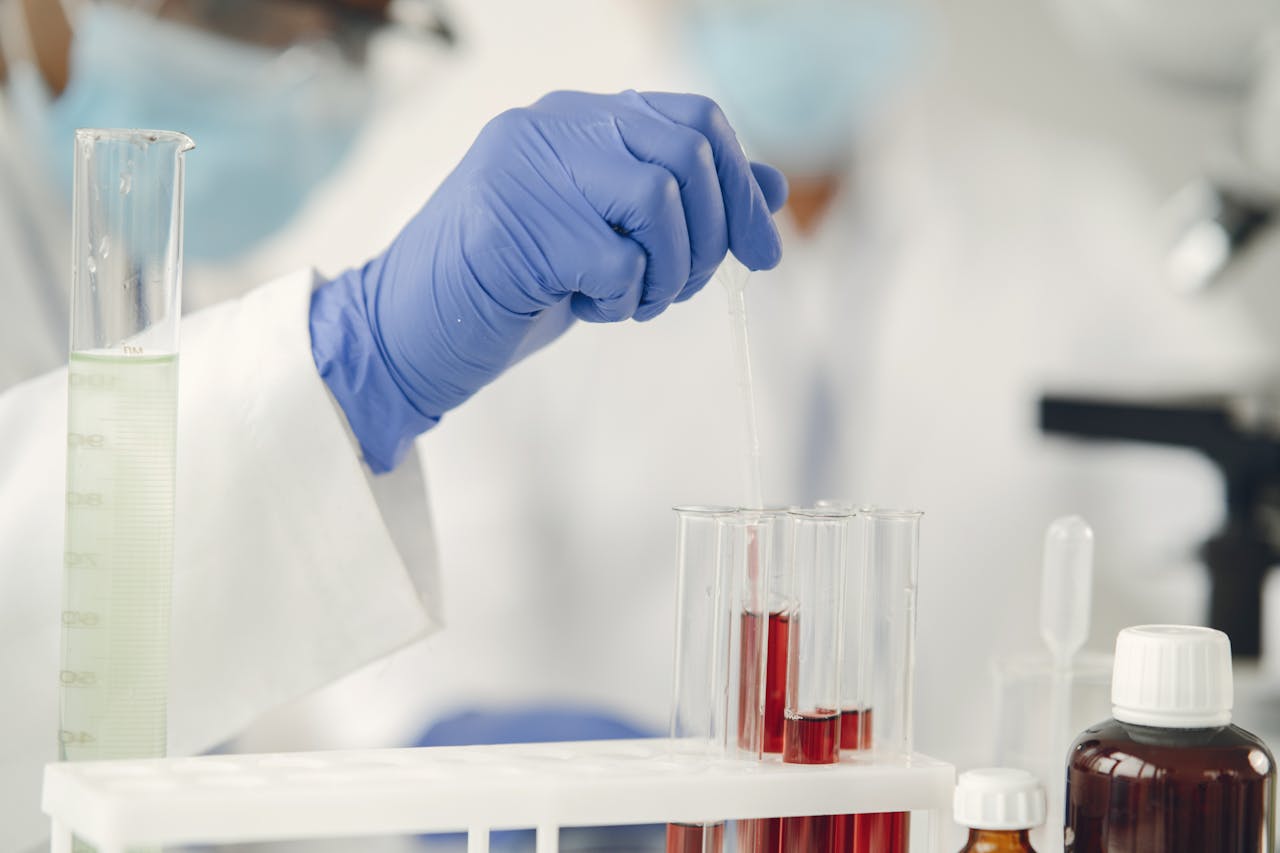
Sample preparation doesn’t get much attention in lab discussions. Everyone focuses on analytical instruments, data processing software, and statistical methods. But there’s a fundamental problem with this approach: your results are only as reliable as the samples feeding into those sophisticated systems. Manual sample handling introduces variables that compound throughout your workflow. When technicians perform repetitive pipetting tasks, small inconsistencies multiply across dozens or hundreds of replicates. One person’s technique differs slightly from another’s. Fatigue sets in during long processing runs. These variations create background noise that obscures the signals you’re trying to measure. The stakes are particularly high in regulated environments where traceability matters and process failures trigger investigations. Before investing in more powerful analytical capabilities, it makes sense to examine whether your sample preparation workflow is actually supporting or undermining data quality.
Where Contamination and Variability Actually Start
Most quality issues don’t originate during analysis. They start at the bench during sample preparation, which creates several vulnerability points:
Common sources of sample prep variability:
- Inconsistent pipetting technique between operators
- Volume transfer errors during manual handling
- Timing variations in incubation or mixing steps
- Temperature fluctuations during processing
- Cross-contamination between samples
Manual processes rely heavily on operator skill and consistency. That works well when conditions are ideal, but labs rarely operate under ideal conditions. Interruptions happen. Multiple technicians share responsibilities across shifts. Fatigue affects performance during high-volume processing days. Each of these factors introduces potential variance into your samples before they ever reach analytical instruments. The problem compounds in high-throughput environments where you’re processing many samples sequentially. Every surface contact, every reagent addition, and every transfer step becomes an opportunity for contamination or error. Your downstream analytical precision can’t compensate for upstream inconsistency.
What Automation Actually Delivers
Throughput improvements get most of the attention when labs consider automation, but consistency matters more. A quality liquid handler performs identical operations repeatedly without the drift that affects manual techniques. The system doesn’t experience fatigue. It doesn’t vary its approach based on external factors. More importantly, automated systems create documentation as a byproduct of normal operation rather than requiring separate record-keeping efforts.
Precision levels matter significantly when working with expensive reagents or limited sample quantities. A small percentage error in manual pipetting becomes substantial when multiplied across full plates. Automated systems typically achieve accuracy specifications that even skilled technicians struggle to maintain consistently over extended periods. This isn’t about replacing human expertise. It’s about using automation for tasks where consistency and documentation provide clear value.
Designing Contamination Out of Your Workflow
Cross-contamination creates problems that often go undetected until you’re analysing results. Negative controls show unexpected signals. Unrelated samples display similar characteristics. By then, you’re facing decisions about whether to repeat entire runs or try to salvage partial datasets. Prevention requires thinking about contamination vectors throughout your sample preparation workflow:
Critical contamination control points:
- Physical separation between samples during processing
- Proper tip disposal and replacement protocols
- Aerosol containment during mixing operations
- Surface cleaning between sample batches
- Sealed transfer systems where appropriate
Better sample preparation tools address these issues through design rather than depending solely on operator technique. Disposable tips eliminate carryover between samples. Enclosed processing environments reduce aerosol exposure. Automated washing protocols ensure consistent cleaning between operations. These features create physical and procedural barriers that make contamination less likely regardless of operator experience level or workload intensity.
Why Documentation Matters More Than You Think
Six months from now, you might need to explain exactly what happened during sample preparation for a specific batch. Can your current processes support that? Manual workflows typically rely on bench notes and operator memory, which creates gaps in your ability to reconstruct past events accurately. Modern sample preparation systems generate complete records automatically:
What gets documented in automated systems:
- Precise volumes for every transfer
- Timing parameters for each step
- Temperature conditions during processing
- Equipment settings and configurations
- Complete processing sequences with timestamps
This level of documentation serves multiple purposes beyond regulatory compliance. When investigating unexpected results, you have objective data about what actually occurred rather than reconstructed narratives. When transferring methods between labs or training new personnel, you’re sharing exact parameters instead of interpreted descriptions. The audit trail also supports troubleshooting by helping identify when and where deviations occurred in your workflow.
How Sample Prep Issues Affect Different Lab Types
The consequences of inadequate sample preparation vary across applications, but they consistently impact data quality and operational efficiency. Clinical laboratories face diagnostic accuracy concerns when sample handling introduces artefacts. Research environments deal with reproducibility challenges that affect publication and follow-up studies. Quality control operations encounter batch release delays and regulatory scrutiny. Manufacturing facilities manage production holds and investigation costs. Environmental testing labs struggle with comparability across different sampling sites and time periods. Each context has unique requirements, but all share common dependencies on consistent, traceable sample preparation. The specific impact depends on your application’s tolerance for variability and the consequences of incorrect results in your particular setting.
Selecting Tools That Match Your Actual Needs
Not every lab requires the same sample preparation capabilities. Your selection process should start with a clear assessment of your current limitations. The most sophisticated system isn’t necessarily the right fit. Consider how new tools will integrate with your current workflow. Equipment that requires major process changes or extensive workarounds for routine tasks often faces adoption resistance. User interface and operational complexity matter because tools that frustrate users tend to be underutilised. Maintenance requirements and support availability also factor into long-term operational success. Match capabilities to your actual needs rather than purchasing features you won’t use.
Planning for Implementation and Training
New sample preparation tools require more than installation and basic operation training. Successful implementation involves several components:
Implementation considerations:
- Operator training on both mechanics and principles
- Method validation and performance qualification
- Integration with existing laboratory information systems
- Standard operating procedure development
- Maintenance scheduling and spare parts inventory
Personnel who’ve used manual methods extensively may need time to adjust to automated approaches. Involving them in selection and implementation planning helps build buy-in. Training should cover not just operation but also troubleshooting, maintenance, and performance verification. This deeper understanding helps operators recognise when something isn’t working correctly and respond appropriately. In regulated environments, you’ll need documentation demonstrating operator competency and ongoing proficiency assessment. Plan for this documentation burden during implementation rather than scrambling to create it during audits.
Understanding the Full Economic Picture
Initial equipment costs represent only part of the investment picture. A complete analysis includes current operational costs and potential improvements. Calculate what you’re actually spending on sample preparation under current methods. Factor in less obvious costs like senior scientist time spent troubleshooting inconsistent results or the opportunity cost of slower turnaround. Consider risk exposure from manual processes in critical applications. Better tools often deliver returns faster than expected when you account for reduced error rates, improved throughput, and decreased reagent waste. The business case strengthens in high-volume environments or when working with expensive or irreplaceable samples.
Building Quality from the Foundation Up
Data integrity isn’t something you can add after the fact. It’s established during sample preparation and maintained throughout your workflow. Analytical instrument sophistication can’t rescue samples that were compromised at the start. Statistical methods can’t separate real signals from artefacts introduced during handling. Investing in better sample preparation tools represents a commitment to data quality at its source. This isn’t about having impressive equipment or keeping pace with competitors. It’s about ensuring your observations accurately reflect what you’re studying rather than artefacts of your measurement process. Whether you’re supporting clinical decisions, advancing research, or ensuring product quality, your conclusions rest on foundations built during sample preparation. Solid foundations make everything that follows more reliable, more defensible, and more valuable.
Leave a Reply