
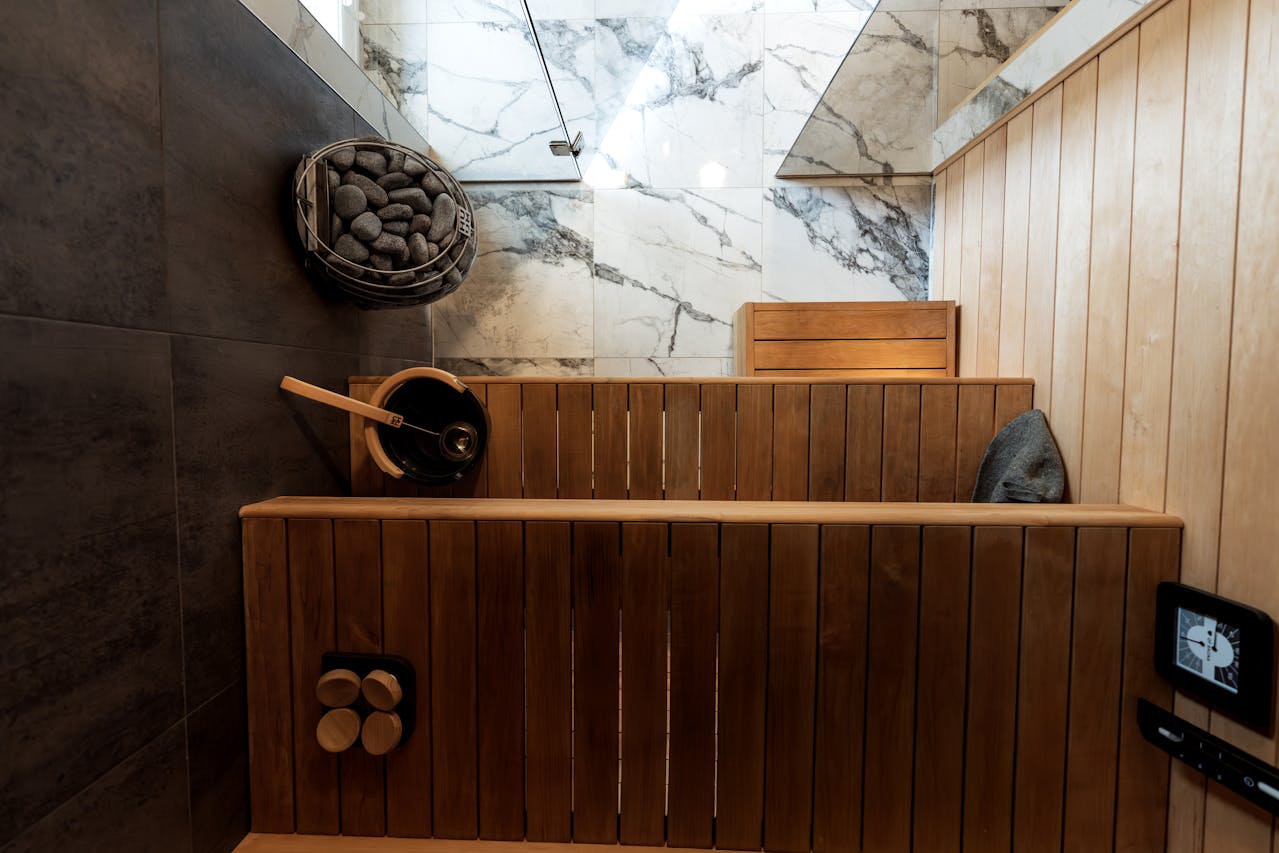
Investing in an indoor sauna kit is a great way to bring relaxation, wellness, and comfort into your home. However, with so many options available in the market, choosing the right one can feel overwhelming. From size and heating type to materials and features, several factors play a role in making the best decision. Here are some practical tips to help you buy indoor sauna kits.
1. Assess Your Available Space
Before purchasing a sauna kit, evaluate the space where you plan to install it. Buy indoor sauna kits that come in various sizes, from compact one-person units to larger multi-person cabins. Measure the area carefully and ensure there is enough room for installation, ventilation, and easy access.
If you live in an apartment or have limited space, a smaller unit is ideal. For larger homes, you can consider a multi-person sauna that accommodates family or guests.
2. Choose the Right Type of Sauna
Indoor sauna kits are mainly available in two types:
Infrared saunas – These use infrared heaters to warm the body directly. They operate at lower temperatures and are energy-efficient.
Traditional steam saunas – These use electric heaters and sauna stones to create high heat and steam.
If you prefer a gentle, energy-saving option, go for infrared. If you enjoy a classic hot sauna experience with steam, a traditional sauna is the better choice.
3. Check Power and Electrical Requirements
Different sauna kits require different power capacities. Most infrared saunas work with standard household outlets, while traditional saunas may require higher voltage connections.
Before buying, ensure your home’s electrical system can support the unit. If necessary, consult a professional electrician to avoid installation issues later.
4. Focus on Material Quality
The materials used in a sauna kit directly affect its durability and safety. Look for high-quality wood such as cedar, hemlock, or spruce. These materials are heat-resistant, long-lasting, and safe for indoor use.
Also, ensure the wood is free from harmful chemicals or coatings, as high temperatures can release fumes.
5. Consider Heating Performance
A good sauna should heat evenly and maintain a consistent temperature. Check the heater’s power rating and ensure it matches the size of the sauna. Uneven heating can reduce comfort and efficiency.
For infrared saunas, look for evenly placed panels. For traditional saunas, consider models with sufficient stone capacity for better heat retention.
6. Look for User-Friendly Controls
Modern sauna kits come with digital control panels that allow you to adjust temperature, time, and other settings easily. Some advanced models even offer remote or app-based controls.
Simple and intuitive controls make your sauna experience more convenient and enjoyable.
7. Evaluate Additional Features
Many indoor sauna kits include extra features such as:
- LED lighting or chromotherapy
- Bluetooth speakers
- Temperature presets
While these are not essential, they can enhance your overall experience and make your sauna sessions more relaxing.
8. Check Installation Ease
Most indoor sauna kits are designed for easy assembly with pre-fabricated panels. If you prefer a hassle-free setup, choose a kit that is DIY-friendly and comes with clear instructions.
However, larger or traditional sauna systems may require professional installation.
Final Thoughts
Buying an indoor sauna kit is a long-term investment in your health and lifestyle. By considering factors like space, heating type, materials, and features, you can find a sauna that perfectly suits your needs.
Leave a Reply