
Centralizing Bookings for Enhanced Visibility
Restaurants used to juggle phone calls, walk-ins, and maybe a scribbled notebook. It was chaos. A modern table reservation system changes all that. It puts every booking in one spot. This means no more double bookings or missed reservations. Having all reservations in one place gives a clear picture of who is coming and when. This visibility helps staff plan better and makes sure the restaurant is ready for guests.
Leveraging Real-Time Updates Across All Devices
Imagine a server taking a walk-in while the host is on the phone booking the same table. That’s a problem. A good table reservation system updates instantly. Whether it’s on a tablet at the host stand or a manager’s phone, everyone sees the same, up-to-the-minute information. This real-time sync is key to avoiding confusion and keeping things running smoothly. It means fewer mistakes and happier customers waiting for their tables.
Automating Capacity Management to Prevent Overbooking
Figuring out how many tables you can fill without turning people away is tricky. A table reservation system automates this. It knows how many seats you have and how many are booked. It can even factor in table turn times. This smart capacity management stops the restaurant from taking too many bookings for the available space. It’s a digital safety net that prevents the common headache of overbooking.
Key Features of a Table Reservation System That Prevent Overbooking
Table Mapping and Availability Visualization
Imagine walking into a restaurant and seeing a clear, digital map of the entire dining room. This isn’t just for show; it’s a powerful tool. A good table reservation system shows exactly which tables are free, which are taken, and even which ones are reserved for a specific time. This visual overview helps the host staff quickly understand the restaurant’s capacity at any given moment. It’s like having a bird’s-eye view of your entire seating arrangement, preventing any accidental double-bookings. This real-time visualization is key to avoiding overbooking.
Integrated Waitlist and Walk-In Management
Not every guest books ahead. Some just show up. A smart table reservation system doesn’t forget about them. It allows staff to easily add walk-in guests to a digital waitlist. This list can show estimated wait times, keeping guests informed and happy while they wait. When a table opens up, the system can even notify the next guest on the list. This integrated management means walk-ins are handled efficiently, reducing the chance of them being turned away or causing confusion that leads to overbooking.
Seamless Integration with POS and Online Booking Platforms
For a table reservation system to truly prevent overbooking, it needs to talk to other systems. When it’s linked to the Point of Sale (POS) system, tables are automatically marked as available the moment a previous party pays their bill. Similarly, integrating with online booking platforms means every reservation made through your website, Google, or other apps instantly updates the main system. This connection stops the dreaded double-booking scenario where a table is booked twice because one system didn’t know about the other. It keeps everything in sync.
Maximizing Table Utilization Through Smart Reservation Management
Filling Downtime with Intelligent Overbooking Strategies
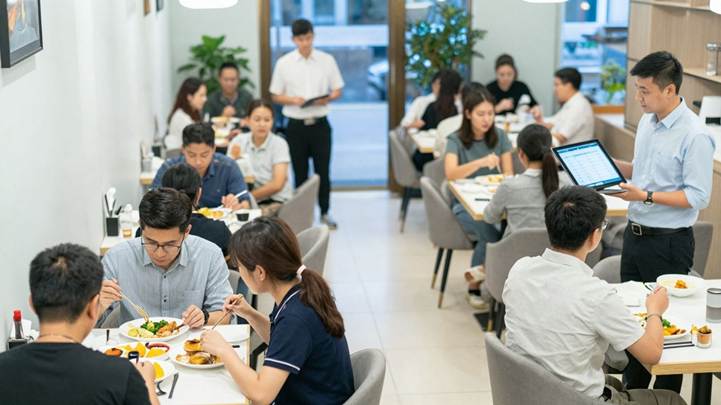
Restaurants can really boost their table yield by actively tackling those quiet periods. A good reservation system helps fill tables that might otherwise sit empty, whether due to last-minute cancellations or simple gaps in the schedule. It’s about being smart with your space.
Intelligent overbooking is a smart strategy. By looking at past data, managers can predict the likely number of no-shows and slightly adjust their capacity to make sure tables are used as much as possible. This approach helps keep the restaurant busy even during slower times.
This means looking at your reservation data to see when you typically have fewer guests. Then, you can plan special offers or promotions for those times. It’s a way to turn potentially empty seats into revenue.
Utilizing Waiting Lists for Walk-In Guests
Waiting lists are super useful for managing walk-in guests without making them wait around forever. Integrating a waiting list feature into your reservation platform lets you track available tables in real-time. You can then send guests a quick message when their table is ready.
This proactive method cuts down on wait times and makes guests happier. It also means you can fill tables quickly if a reservation doesn’t show up. Collecting contact data is key here.
A well-managed waiting list means fewer walk-in guests leave because the wait is too long. It keeps them engaged and more likely to dine with you.
Improving Table Turnover with Real-Time Availability Views
Having a clear, real-time look at table availability is really important, especially with more people booking last minute or on their phones. When your reservation system is linked to your point-of-sale (POS) system, tables get freed up as soon as a bill is paid.
This constant update increases the chances of more bookings throughout the day. It helps the front-of-house team know exactly when a table will be ready for the next party. This real-time availability view is a game-changer for maximizing table turnover.
This constant flow of information helps manage guest expectations. It also means the staff can be more efficient, moving guests in and out smoothly. It’s all about keeping those tables occupied and generating revenue.
Addressing Common Causes of Overbooking with Technology
Mitigating Human Error with Digital Systems
Manual reservation books and spreadsheets are a recipe for disaster. Simple mistakes like misreading handwriting or forgetting to update a booking can lead to double-bookings. A digital reservation system takes the guesswork out of the equation. It centralizes all bookings, making it clear what tables are available and when. This reduces the chance of human error significantly, helping restaurants avoid overbooking.
Technology acts as a safety net, catching mistakes before they impact guests.
Ensuring Real-Time Sync Across Multiple Booking Channels
Restaurants often take reservations from various places: phone calls, their website, and third-party apps. If these systems don’t talk to each other instantly, it’s easy to accidentally accept more guests than you can seat. A table reservation system that syncs in real-time across all platforms is key. This way, everyone on staff sees the same, up-to-the-minute availability. This prevents the common issue of overbooking that arises from outdated information.
A lack of real-time updates across booking channels is a primary driver of overbooking incidents.
Managing Unexpected Large Parties and Walk-Ins
Even with a solid reservation plan, walk-ins and unexpected large groups can throw things off. A smart table reservation system can help manage this chaos. It allows for quick updates to table status and can even manage a digital waitlist. This means staff can give accurate wait times to walk-in guests and notify them when a table is ready. It helps control the flow of guests, even when things get busy, and prevents overbooking.
- Quickly update table status.
- Manage a digital waitlist effectively.
- Provide accurate wait times to guests.
This technology helps restaurants stay organized and avoid the pitfalls of overbooking, even during peak hours.
Enhancing the Guest Experience with a Table Reservation System
Providing Accurate Wait Times and Notifications
Nobody likes standing around waiting. A good table reservation system helps manage expectations right from the start. It can give guests a realistic idea of how long they might wait, especially if they’re walk-ins. This means fewer frustrated customers pacing by the door.
When a table becomes available, the system can automatically send a text or email. This lets guests know they can come back or that their table is ready. It’s a small touch that makes a big difference in how people feel about their dining experience. This kind of communication builds trust.
Keeping guests informed reduces anxiety and shows respect for their time. It transforms a potentially negative waiting period into a more positive, managed experience.
Ensuring Timely Seating and Smoother Front-of-House Operations
When a reservation system is in place, the front-of-house team has a clear picture of who’s coming and when. This makes seating guests much quicker and more organized. Instead of scrambling to find a table, hosts can confidently guide guests to their reserved spots.
This efficiency means tables are used better, and guests don’t have to wait longer than necessary. It helps the whole operation run like a well-oiled machine. A smooth check-in process sets a good tone for the entire meal.
- Faster guest seating
- Reduced front-of-house stress
- More predictable table turnover
Building Trust Through Professional and Seamless Booking
How a restaurant handles bookings says a lot about its professionalism. When guests can easily book a table online, get instant confirmations, and know their reservation is secure, it builds confidence. This ease of use is a big part of a positive guest experience.
A system that prevents overbooking also prevents the awkward conversations that come with it. Guests appreciate knowing their booking is reliable. This reliability, powered by a good table reservation system, encourages repeat business.
A reliable reservation system is key to creating a trustworthy and professional image for any restaurant. It shows guests that their dining plans are taken seriously, from the moment they book until they leave. This builds loyalty and positive word-of-mouth.
Boosting Restaurant Profitability with Efficient Reservation Handling
Increasing Table Yield and Revenue Opportunities
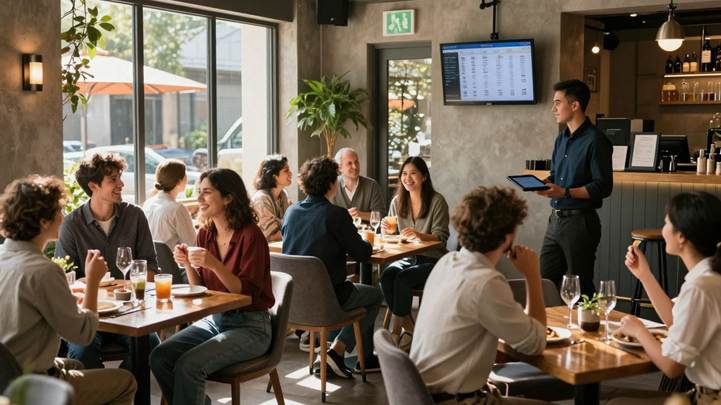
Efficient reservation handling directly impacts a restaurant’s bottom line by maximizing the use of every available table. A smart reservation system helps fill gaps that might otherwise go empty, turning potential lost revenue into actual income. This means more covers served and a higher overall revenue per shift.
The goal is simple: get more people seated and served without sacrificing quality. This involves smart strategies like intelligent overbooking, where historical data predicts no-shows and allows for slight capacity adjustments to keep tables full. A well-managed reservation system is key to this optimization.
Reducing Lost Business from Walk-Ins
Walk-in guests are a significant part of any restaurant’s business, but they can be tricky to manage. Without a proper system, walk-ins might be turned away due to perceived full capacity, or they might face excessively long waits, leading them to leave. A table reservation system with integrated waitlist management can change this.
By accurately tracking wait times and notifying guests when their table is ready, restaurants can accommodate more walk-ins. This reservation system not only captures business that might have been lost but also improves the guest experience by providing clear expectations and reducing frustration.
Optimizing Resource Management and Staff Planning
Knowing exactly how many guests to expect and when allows for much better planning. Efficient reservation handling means managers can forecast demand more accurately. This translates directly into smarter staff scheduling, ensuring enough servers, hosts, and kitchen staff are on duty during peak times without having too many people during slower periods.
This optimization reduces labor costs while maintaining service quality. When staff are not overwhelmed or underutilized, they can focus on providing a better dining experience, which in turn encourages repeat business and positive reviews. A good reservation system makes this level of operational efficiency possible.
Wrapping Up: The Smart Way to Manage Tables
So, when it comes down to it, keeping track of who sits where and when can be a real headache for restaurants. Things like staff mix-ups, unexpected guests, or just not knowing when a table will be free can lead to a lot of frustration for everyone. But, by using the right kind of tech, like a good reservation system, restaurants can get a much clearer picture. This helps them avoid turning people away when there’s actually space, or worse, promising tables they don’t have. Ultimately, a smart system means happier customers, less stressed staff, and a smoother running business overall.
Leave a Reply