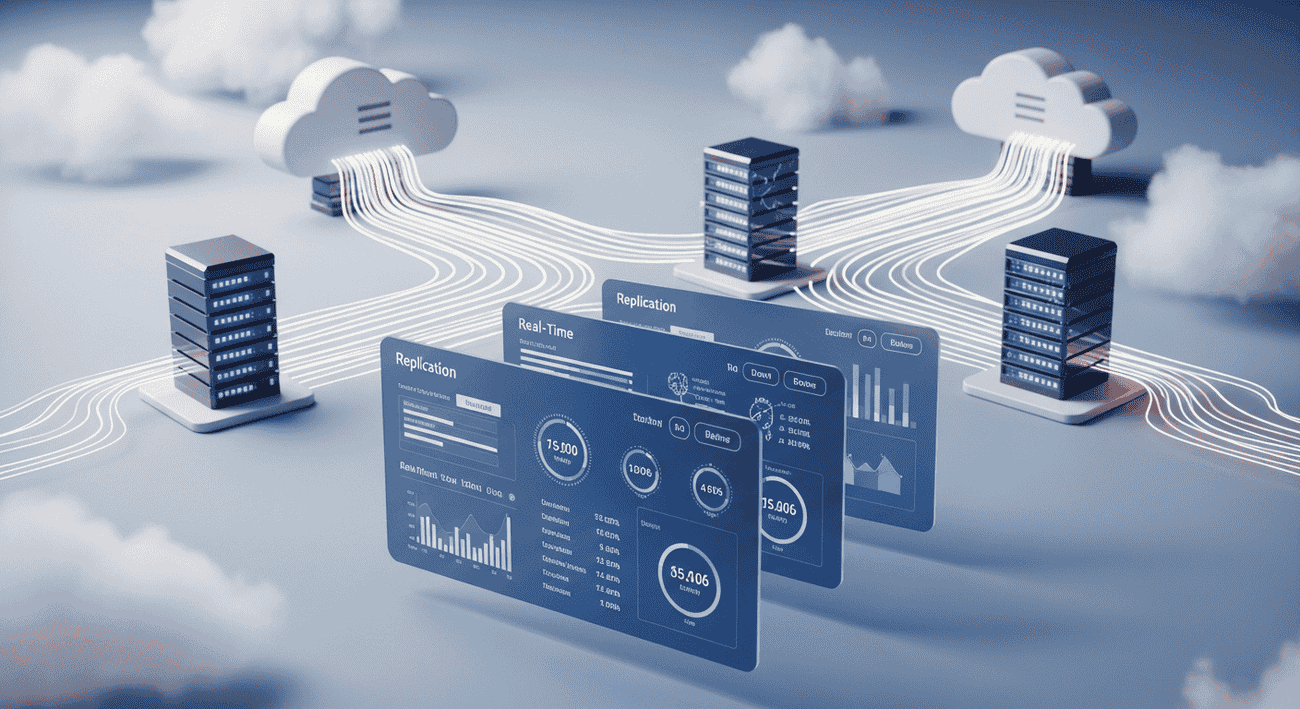
As the digital landscape continues to evolve, organizations are using their network more and more for different functions. Network data replication is an essential task in modern IT environments as it helps in the transfer of large amounts of data, secure communication and on-time collaboration. But when organizations scale, monitoring and managing that replication becomes more difficult. Make sure to use the right tools to perform his or her task. One solution that stands out is Plixer, a platform that aims to give a complete view on health, performance and security.
The Growing Importance of Network Data Replication
Replication of data means to copy from one place to another. You can perform this activity either for the purposes of creating a backup or for disaster recovery. However, you can also do this to benefit from a performance boost. It is very important to have a timely, secure, and efficient replication of data in today’s times when companies are relying more and more on distributed environments. When accessing data that’s vital to your operations, it’s best to copy it to other locations and/or the cloud and local infrastructure. This can ensure that you’re not going to lose access to these valuable data sets. Plus, it helps ensure faster speeds.
Failure to manage your data replication properly can lead to issues. Slow internet connection or data limitations that alters the transmission speed can hinder performance. If data is replicated across different systems, it will not be easy to have visibility on the overall data and you may have visibility gaps. Solutions like Plixer can solve these kinds of problems.
Plixer’s superior monitoring creates new possibilities
The entire network infrastructure is understood with the tools of Plixer. Plixer provides organisations with network observability and real-time analytics so they can continuously track performance. The platform’s large network data handling capability makes it easy to spot potential issues before they become serious problems.
One of the top issues organizations face with data replication is the lack of visibility into how data flows around their network. This might create blind spots where performance or security risks may not get caught. Plixer One does this by ingesting every data point and monitoring everything within a network in real-time. In fact, this will allow organizations to see every interaction.
By using the advanced monitoring features of Plixer, companies can keep a tab on their data replication performance. It helps them check for bottlenecks and troubleshooting consistent data transfer speeds, network outages, and high latencies. It is a must for ensuring that the data replication does not affect the complete network availability.
Ensuring Data Integrity and Reliability
One of the main aims of replication is to ensure that data is not lost in the event of a failure. Keeping data intact throughout replication is challenging. This whole task becomes even more taxing when data is replicated across multiple places. When the replication doesn’t happen consistently, or during the transfer there is some corruption or failure in the synchronisation process, then there can be data inconsistencies that can affect the entire system reliability.
Plixer’s network observability capabilities allow organizations to monitor data replication in real time, providing a clear picture of data health across all systems. By detecting anomalies early, Plixer enables administrators to address issues promptly, ensuring that data remains consistent across the network. In fact, by identifying anomalies early, the data remains consistent across the network. In addition, the program’s insightful AI selects issues that must be dealt with first, ensuring resources maintain system dependability.
The Role of Plixer in Optimizing Network Efficiency
As enterprises increasingly adopt hybrid IT configurations that mix on-premise and cloud configurations, the network must be optimized like never before. As data is replicated across systems from on-prem to cloud, network performance monitoring must happen consistently across environments.
With Plixer, you gain full visibility into your entire network, whether it’s running in the data center, in your branch offices, or in the cloud. IT teams can now monitor the health of networked systems and ensure the efficiency of data replication processes using this system.
In practice, this means firms can pinpoint flaws in their replication strategies. For instance, tracking the utilization of bandwidth, latency, and replication failure can assist with making intelligent and informed decisions about infrastructure optimization. Plixer’s solutions can also connect with other IT and security products, making them the main hub for managing network performance.
Detecting and Responding to Network Threats
A key point of managing replication of data sent over network is protection of sensitive data. Data that is being sent can be intercepted and attacked by a Man-in-the-middle attack. The attacker intercepts the data that is being sent.
Plixer helps detect threats through AI-Driven solutions. In short, it analyzes your network traffic in real-time and helps you to identify threats and suspicious activities that are indications of a security breach. Plixer’s automated alerts flag anomalies, such as unusual logins, when they correspond with known threat indicators. This allows organizations to rapidly contain the threat before replication corrupts or leaks data.
The platform also adds a degree of security to zero-trust architectures and existing security frameworks. It keeps away the unwanted users and hardware from the network to allow a smooth process of data replication.
Leveraging Plixer for Long-Term Network Planning
Capacity and performance requirements of the network should be planned ahead as organizations increase and their IT infrastructure gets more complex. Data replication and overall network performance can be impacted by network bottlenecks, low bandwidth and resource contention.
Plixer offers top-notch analytics and reporting to help your IT team predict upcoming needs driven by current activity. If organizations know traffic patterns, bandwidth usage and replication loads, they can proactively plan for capacity expansions or changes to the network. By considering heavy workload or data, the organization does not compromise its structure in order to respond rapidly.
Moreover, Plixer’s solution allows companies to understand long-term performance trends, informing decisions about when to scale their infrastructure or make new technology investments.
Conclusion
In today’s digital-first world, monitoring and managing data replications on the network has become imperative for performance and reliability. Organizations can fully see their network infrastructures with the help of efficient tools such as Plixer to provide them insight into potential issues before they arise and data replication running smoothly.
With real-time analytics, AI-driven threat detection and an all-encompassing view of network performance, Plixer offers hyper-advanced insight necessary for businesses to maintain a high degree of control over their data. As organizations continue to scale digital activities, advanced tools like Plixer will be required to maintain a resilient, secure and optimized network.
Leave a Reply